
India’s Retail Gravity Shift: Bengaluru emerges as luxury’s new launchpad
22 May 2026, Mumbai
Bengaluru’s transformation from India’s IT nerve centre into its most influential fashion retail lab marks one of the most significant shifts in the country’s consumption economy. Once overshadowed by Delhi-NCR’s dominance in luxury retail and Mumbai’s commercial heft, the southern metro is now redefining how global apparel brands enter, expand, and scale in India.
According to Q1 2026 retail data, Bengaluru now accounts for 24 per cent of India’s gross retail leasing volume, placing it in direct competition with Delhi-NCR. But the real shift is not geographic it is behavioural. Retail is no longer transactional; it is experiential, social, and increasingly lifestyle-led.
From transactional to experience-led retail
One of the most visible shifts in Bengaluru’s retail scenario is the increase in consumer dwell time. What was once a short, purpose-driven mall visit lasting about an hour has now expanded into a five-hour experience. This change has altered the role of malls in urban life.
Malls are now functioning as third places, or social environments that sit between home and workplace. They are no longer simply points of purchase but destinations for leisure, dining, and social interaction. For fashion retailers, this shift means that visibility alone is no longer sufficient. Success depends on how deeply a brand integrates into the consumer’s overall experience within the space.
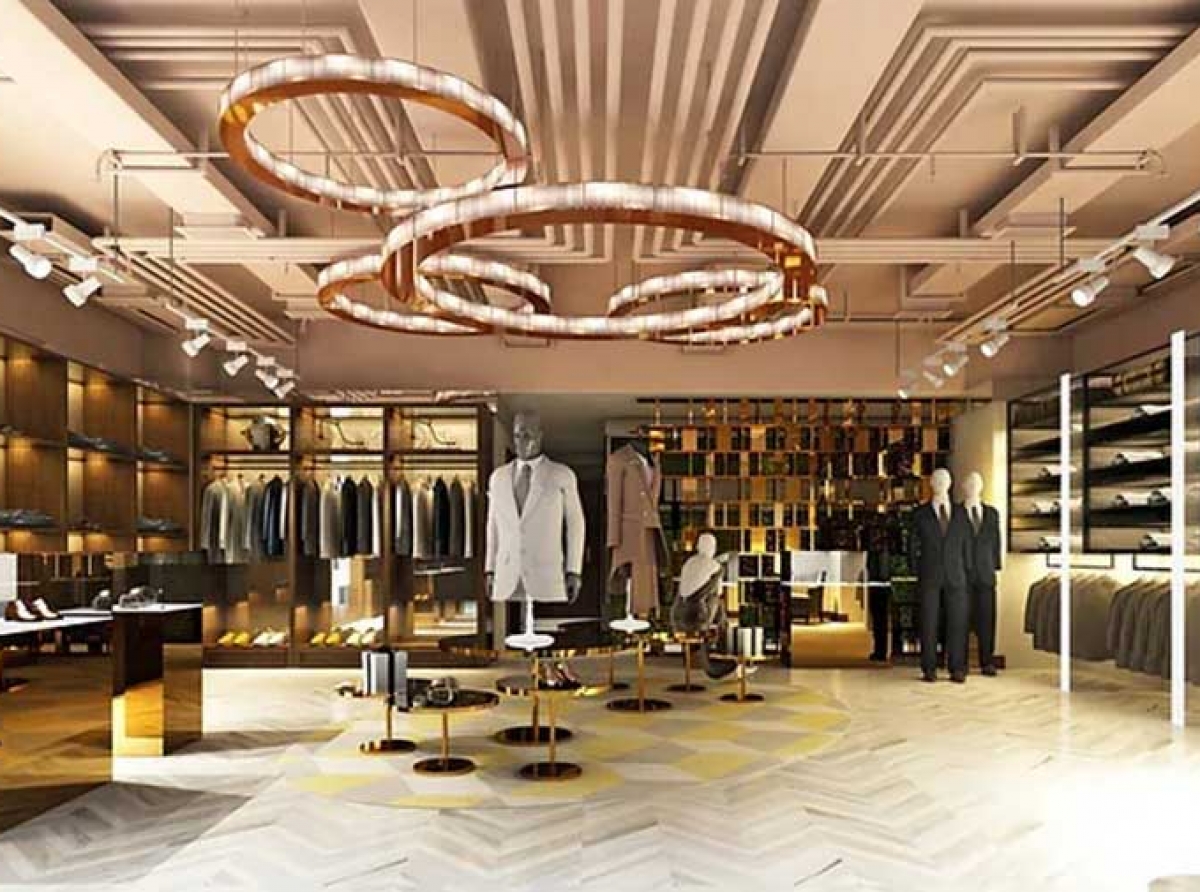
This has also changed store design strategies. Brands are building larger-format outlets that go beyond traditional retail. Many now include in-store styling lounges, immersive trial rooms, and technology-enabled fitting experiences. The objective is not just to sell clothing but to extend the consumer’s stay and deepen engagement within the store environment.
Changing mall economics
Bengaluru’s malls are also witnessing a rebalancing of retail categories. While fashion and apparel continue to dominate leasing activity with a 34 per cent share, food & beverage has rapidly grown into a critical anchor category, accounting for 20 per cent of leasing demand.
This shift is reshaping how malls generate footfall. Instead of fashion acting as the primary draw, dining and leisure experiences are now driving consistent visitor traffic, with apparel purchases often occurring as secondary or incidental decisions during longer visits.
The consequence is a clear divergence in mall performance. Lifestyle-integrated retail centres that combine fashion, dining, and entertainment are reporting strong momentum, including approximately 15 per cent year-on-year growth in premium brand revenues. In contrast, retail assets that fail to integrate experiential and hospitality components are seeing stagnating footfall and weaker conversion rates.
Generational reset in luxury consumption
The luxury segment has seen the most profound shifts in decades, driven by a younger, digitally native consumer base concentrated in cities like Bengaluru. The traditional luxury buyer, once defined by status-driven consumption and visible branding, is being replaced by a more design-conscious and authenticity-focused demographic.
This new consumer group is predominantly under 35 and increasingly influential in shaping India’s luxury market trajectory. Often described as the ‘Reverse Generation’, they are expected to contribute nearly half of India’s fashion industry spending by 2030.
Their preferences differ sharply from the previous generation. Instead of overt logos and brand signalling, they prioritise craftsmanship, fabric quality, and design precision. Luxury, for them, is less about external validation and more about personal expression.
This shift has forced global luxury brands to rethink everything from store design to product curation. Retail environments are becoming more minimalist and gallery-like, replacing ornate, intimidating formats with open, design-led spaces that align with younger consumer expectations.
Bengaluru as the new entry gate for global brands
A significant change in India’s retail geography is the increasing tendency of global brands to prioritise Bengaluru as their first point of entry, bypassing the traditional Delhi-Mumbai launch sequence. This reflects a deeper rethink in how brands assess consumer readiness and market adaptability.
Bengaluru’s advantage lies in its combination of high disposable income, a young professional base, and a strong appetite for global fashion formats that blend performance, lifestyle, and identity.
This shift is visible in recent entry strategies. Lululemon has entered India through a franchise partnership with Tata CLiQ, using Bengaluru’s fitness-oriented, urban professional base as a launchpad for its athleisure positioning. Meanwhile, Off-White has chosen Bengaluru as a central pillar of its India expansion strategy, citing the city’s tech-driven wealth and youth-led streetwear culture as a natural fit.
Together, these moves highlight a broader trend: Bengaluru is no longer a secondary market in India’s retail hierarchy but a primary testing ground for global fashion strategies.
The rise of integrated retail infrastructure
Real estate developers are playing a critical role in enabling this transformation. The new retail model demands infrastructure that goes beyond traditional mall formats and moves toward fully integrated lifestyle ecosystems.
Mantri Developers has been one of the key contributors to South India’s retail evolution. With a development footprint of over 18 million square feet across Bengaluru, Chennai, and Hyderabad, the company has been instrumental in building large-scale integrated environments that combine fashion retail with strong Food & Beverage components.
The broader strategy among developers is shifting toward tech-enabled, experience-first retail spaces. These environments are designed to maximise dwell time, support experiential retail formats, and accommodate the operational requirements of global fashion brands.
Developers that fail to adopt this integrated model are increasingly at risk of asset underperformance, while those embracing mixed-use, experience-led formats are capturing stronger leasing demand and higher premium brand participation.
Bengaluru’s ascent represents more than a geographic redistribution of retail power. It marks a fundamental redefinition of how fashion is consumed, experienced, and commercialised in India. The city is no longer simply absorbing global retail trends, it is actively shaping them. As global brands rethink their India strategies and developers redesign retail infrastructure around experience rather than transaction, Bengaluru has emerged as the country’s most important fashion innovation hub.
The future of Indian retail will thus be determined less by where stores are located and more by how deeply they embed themselves into the social and experiential fabric of the consumer’s life.









 Get in Touch!
