
Prime high-street rentals soar as brands prioritize footfall over costs
10 March 2026, Mumbai
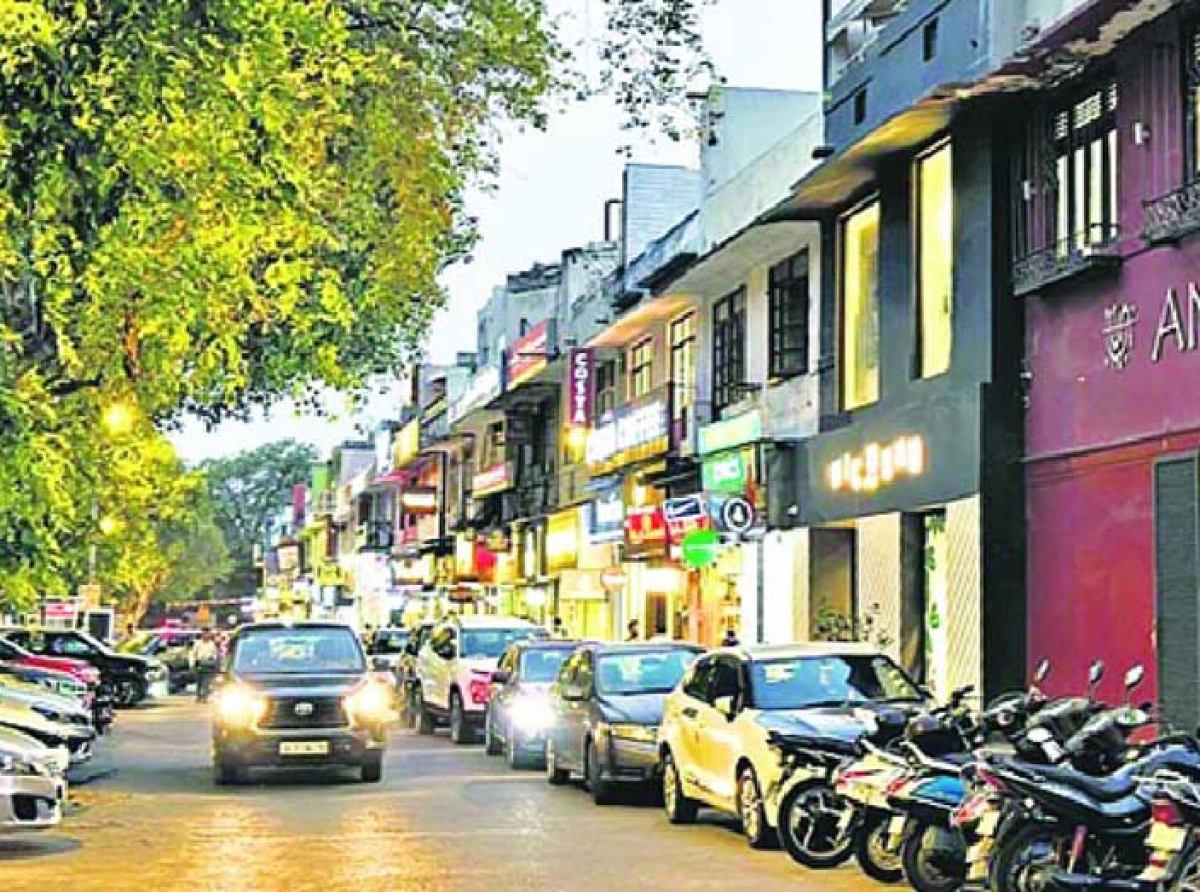
The Indian retail landscape is witnessing a stark recalibration of real estate strategy as flagship high-street locations record aggressive rental appreciation. Recent data from Cushman & Wakefield reveals, while Delhi’s Khan Market retains its status as India’s most expensive retail destination - commanding monthly rents between Rs 1,700 and Rs 1,800 per sq ft - it faces growing competition from emerging hubs like Gurugram’s Galleria Market. Galleria recorded a notable 14 per cent Y-o-Y rental increase, underscoring a broader shift where retailers are increasingly willing to absorb higher overheads to secure visibility in high-consumption corridors.
Strategic capital deployment in premium corridors
This rental inflation is primarily driven by fashion and food-and-beverage (F&B) retailers who are expanding aggressively to capture the burgeoning discretionary spending of affluent consumer segments. According to Gautam Saraf, Executive Managing Director, Cushman & Wakefield, demand for quality retail space is systematically outpacing supply. For many premium apparel brands, the cost of entry is no longer the primary deterrent; instead, the focus has shifted toward securing ‘visibility-driven’ assets that guarantee consistent, high-value footfall. As mall supply remains constrained in prime micro-markets, these open-air high streets are becoming the focal point for strategic store rollouts, signaling a move toward experiential retail that emphasizes brand prestige and direct consumer engagement over cost-cutting measures.
Retail market context
High-street retail refers to premium, street-facing commercial spaces in established urban neighborhoods. These locations are defined by high pedestrian traffic, proximity to affluent residential catchments, and a concentration of luxury and lifestyle brands. Currently, these assets serve as the primary growth engines for domestic and international apparel expansion in India.










 Get in Touch!
