
Video commerce turns YouTube into a new front door for Indian apparel retail
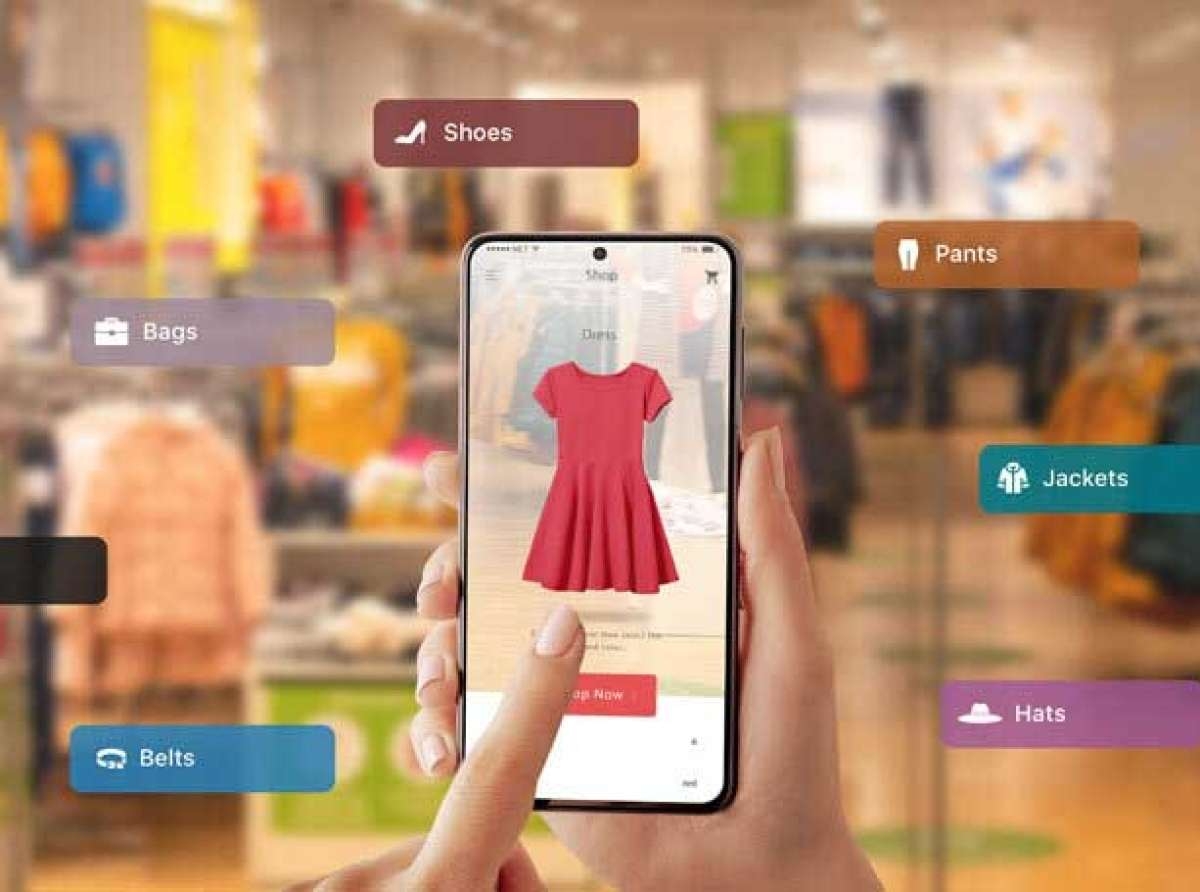
YouTube is widening its Shopping affiliate network in India, bringing Amazon, Meesho, AJIO, Snapdeal and Tata CLiQ into a retail system that already includes Flipkart, Myntra, Shopsy, Nykaa, Purplе and Tira. The expansion puts fashion, beauty and lifestyle inventory directly inside video content, allowing eligible creators to attach interactive product tags to long-form videos, Shorts and livestreams. Viewers can move from product discovery to purchase without leaving the content environment.
The shift reflects a change in Indian e-commerce: product discovery is now moving from marketplace search bars to visual, creator-led recommendations. Redseer expects India’s online retail market to exceed $90 billion in 2026, while Bain & Company projects online fashion to reach $35 billion by FY28. For apparel retailers, the significance lies in reducing the distance between inspiration and transaction.
|
Platform/commercial dimension |
Performance in 2025-26 |
Impact on fashion rRetail |
|
Logged-in Commerce Search Users |
450+ mn Indian viewers |
Establishes streaming video as a primary retail search engine. |
|
Shopping Watch Time Expansion |
55% year-on-year growth |
Heightens product exposure without incremental ad spend. |
|
Creator Programme Enrollment |
200% year-on-year increase |
More than 19 mn videos cataloged with merchant tags. |
|
Domestic Creator Affiliate Payouts |
160% surge year-on-year |
Outpaces global affiliate payout growth rate of 100%. |
|
Direct Product Tag Engagement |
2.2x click-through uplift |
Substantially outperforms conventional video description links. |
Creators drive conversion
Over 45 crore logged-in Indian users search YouTube for product recommendations says the company. Shopping watch time has grown 55 per cent year-on-year, while more than half of eligible Indian creators now participate in the Shopping programme. The economics is strengthening creators. Affiliate payouts to Indian creators rose over 160 per cent between the first quarters of 2025 and 2026, compared to 100 per cent globally.
YouTube is also adding AI to the transaction journey. Its ‘Ask YouTube for Shopping’ function allows viewers to seek information on apparel sizing, fabrics and delivery policies within the viewing experience. Dynamic tagging can also redirect international viewers to relevant storefronts and fulfilment options.
Gunjan Soni, Managing Director, YouTube India, described the expansion as a coming together of creator voices, retail inventory and AI at commercial scale. The implication for fashion brands is clear: creators are no longer simply an awareness channel. They are becoming a measurable retail-distribution layer.
Tier-II markets gain
The addition of Meesho and Snapdeal alongside Myntra, AJIO and Tata CLiQ also broadens the model beyond affluent metros. Premium platforms can use creator commerce to showcase branded apparel, athleisure and occasion wear, while value-led marketplaces can reach consumers seeking affordable fashion, unbranded products and regional textile categories across Tier-II, III cities.
This is particularly relevant to apparel, where static product photography often fails to communicate drape, texture, fit and fabric weight. Regional creators can bridge that gap through styling videos, try-ons, live demonstrations and product reviews in Hindi, Tamil, Telugu, Bengali, Marathi and other languages. For smaller brands and value-fashion sellers, such content can reduce discovery friction and potentially lower customer-acquisition costs.
YouTube's affiliate-partnership tools can further boost high-performing organic creator content through paid campaigns. Dynamic brand segments can insert relevant product shelves into existing video libraries, while cross-border tagging opens a route to overseas customers and diaspora audiences.
Margins face a test
The model, however, adds another layer of cost to an already margin-sensitive apparel business. Online apparel returns in India can run at 25-35 per cent of sales, and highly visual, impulse-oriented commerce could increase reverse-logistics costs if the product fails to match expectations created on screen.
Brands must also account for multiple deductions: marketplace take rates, affiliate fees and creator commissions that can range from 5-15 per cent. For apparel companies operating on single-digit net margins, higher conversion alone will not guarantee higher profitability. The commercial equation will depend on basket size, repeat purchases, inventory velocity and the ability of video demonstrations to reduce returns.
Proof in festive selling
An early campaign by an emerging Gen-Z-focused fast-fashion label showed the potential. The brand worked with 24 mid-tier creators across northern and western India, embedding affiliate tags into festive lookbooks and styling videos. Over four weeks, tagged videos led to 38 per cent increase in direct transaction conversion compared with its conventional paid-search and banner campaigns.
Customer acquisition costs fell 22 per cent, while post-delivery returns were five percentage points below the industry average. More detailed demonstrations of garment fit and fabric weight helped reduce purchase misjudgements. While the campaign is not representative of the entire market, it points to the central proposition of creator commerce: better product demonstration can improve both conversion and transaction quality.
Retail moves into the player
The longer-term opportunity lies in deeper integration between video platforms, marketplaces and retailer technology. As younger consumers account for a substantial share of online fashion purchases, static catalogues are competing with interactive formats that combine entertainment, recommendation and checkout.
The next phase will likely involve tighter API-level links between video platforms and merchant inventory, warehouse and fulfilment systems. Real-time stock visibility, personalised product recommendations and location-specific fulfilment could eventually make the video player itself a retail interface.
YouTube Shopping is already growing globally, with the service targeting 35 countries by late 2026. Its global gross merchandise volume has increased 13-fold over two years, according to the information provided. For Indian apparel retailers, the shift is bigger than another affiliate programme. Video is evolving from a marketing medium into a distribution channel and creators are becoming the new shop assistants.








 Get in Touch!
