
Brick-and-mortar becomes strategic asset in India's premium retail boom
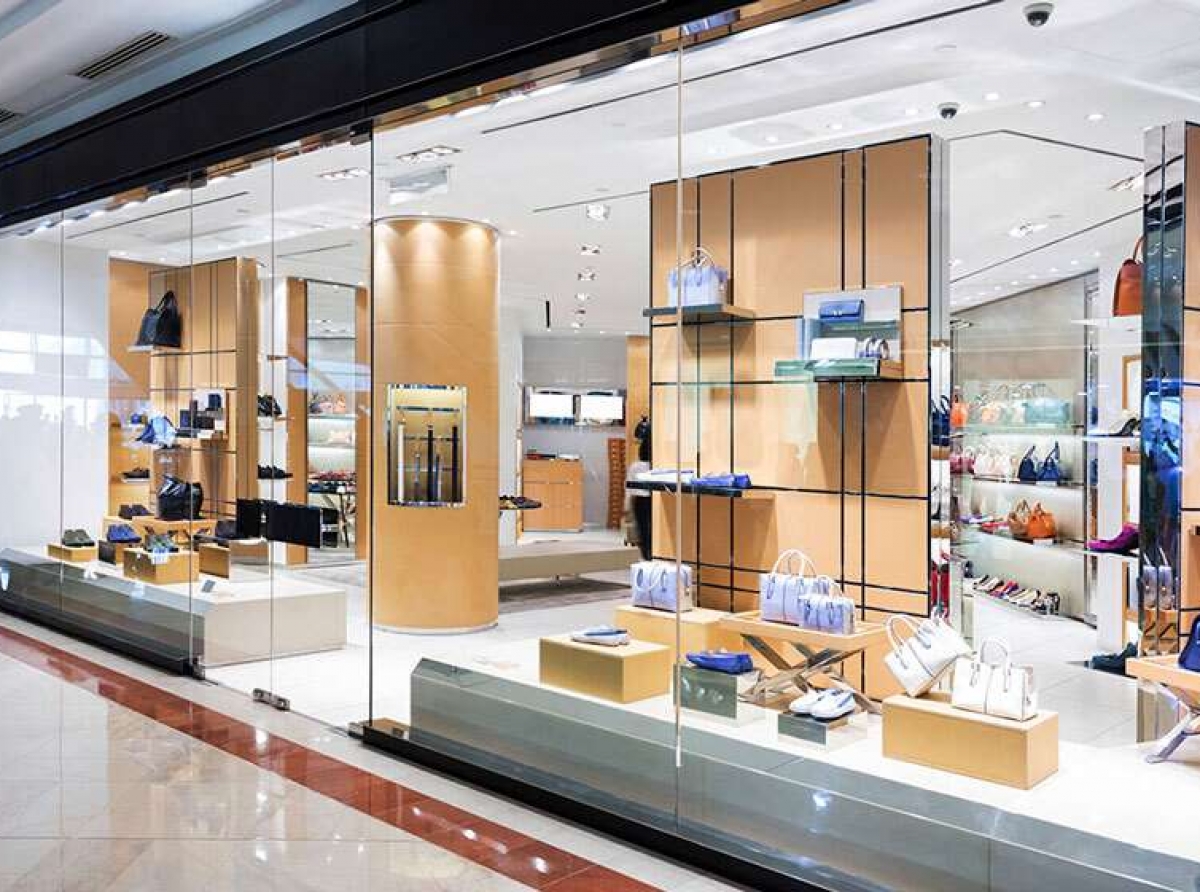
Physical stores have emerged as growth engines rather than merely sales outlets in Indian retail. Rising digital customer acquisition costs, increasing consumer preference for premium experiences and growing organised retail are prompting apparel and lifestyle brands to rework expansion strategies.
As competition intensifies across online marketplaces, retailers are prioritising investments in high-performing brick-and-mortar locations that strengthen customer engagement while improving profitability. Industry estimates project India's retail market to grow from $1.09 trillion in 2025 to $1.57 trillion in 2026 before reaching $2.36 trillion by 2030, with organised retail expected to account for more than one-third of the market.
Table: India retail market value
|
Year |
Market Value ($) |
|
2025 |
$1.09 trillion |
|
2026 (E) |
$1.57 trillion |
|
2030 (F) |
$2.36 trillion |
Premium retail takes centre stage
The shift is particularly visible in the apparel sector, where premiumization continues to reshape consumer spending. Rather than pursuing aggressive store expansion, leading brands are focusing on high-productivity outlets in premium malls and high streets that generate stronger revenue per square foot while protecting brand equity.
According to Deloitte India, the mid-premium apparel segment, priced between Rs 3,500 and Rs 7,000, is expected to grow at around 25 per cent CAGR. The premium category, with products priced above Rs 7,000, is growing even faster at over 45 per cent CAGR, supported by India's rapidly growing affluent population, projected to increase from 60 million to nearly 100 million consumers by 2027.
|
Apparel Segment Tier |
Price bracket (Rs) |
Projected growth rate |
Structural driver |
|
Mass Market |
Under Rs 3,500 |
9.7% CAGR |
Volume-led consumption, baseline urbanisation |
|
Mid-Premium |
Rs 3,500-7,000 |
25.0% CAGR |
Multi-brand exploration, rising disposable income |
|
Premium |
Over Rs 7,000 |
Over 45.0% CAGR |
Affluent population scaling to 100 mn by 2027 |
This trend is also influencing commercial real estate development. India's seven largest cities are expected to add approximately 16.6 million sq ft of Grade-A shopping mall space, with more than half designed as destination malls catering to premium domestic and international brands.
Digital brands expand offline
For digital-first brands, physical retail has become an important complement to online operations rather than an alternative. Growing digital advertising costs and increasing competition across online platforms are making customer acquisition more expensive. In highly competitive categories, search keywords can cost brands upwards of Rs 400 per click, putting pressure on marketing budgets and profitability.
As a result, several direct-to-consumer (D2C) companies are adopting flexible offline formats to build brand visibility while controlling capital expenditure. Multi-brand retail concepts and retail-as-a-service partnerships allow digital brands to test new markets, optimise inventory deployment and gather consumer insights without committing to large-format permanent stores.
Brands such as Wrogn and Bewakoof are using temporary experiential stores across regional markets to strengthen offline presence while avoiding the Rs 1.5-2 crore investment typically required for establishing a conventional retail footprint. The strategy is particularly relevant as more than half of India's D2C demand now originates outside the country's largest metropolitan markets.
Omnichannel becomes the new standard
The broader retail ecosystem is also benefiting from the rapid expansion of licensing partnerships, franchise models and strategic collaborations. Industry estimates value India's licensing market at nearly $35 billion by 2027, providing both international and domestic brands with asset-light expansion opportunities. At the same time, India's D2C ecosystem continues its rapid growth.
|
Year |
Market Value |
|
2025 |
$1.09 trillion |
|
2026 (E) |
$1.57 trillion |
|
2030 (F) |
$2.36 trillion |
With the D2C market projected to grow at a 24.3 per cent CAGR through 2031, retailers are increasingly integrating physical stores into omnichannel supply chains. Rather than viewing stores purely as transactional spaces, companies are positioning them as fulfilment hubs, customer acquisition channels and experiential brand destinations that support long-term customer retention.
Many retailers are also maintaining strict financial discipline by targeting a Lifetime Value-to-Customer Acquisition Cost (LTV:CAC) ratio of roughly 3:1, reflecting a growing emphasis on sustainable profitability over rapid expansion.
Scale through brand portfolios
Another emerging trend is the rise of fashion brand aggregators that acquire and scale multiple digital-first labels across categories such as casualwear, denim and athleisure. These portfolio companies leverage shared sourcing, logistics, technology and retail infrastructure to improve operational efficiency while accelerating omnichannel growth. By combining online scale with selective physical expansion, they are better positioned to improve margins, strengthen consumer engagement and drive long-term profitability.
As India's retail evolves, success is being defined by a retailer's ability to combine premium physical experiences with digital convenience. Stores are no longer simply points of sale, they are becoming strategic assets that lower customer acquisition costs, reinforce brand identity and support sustainable growth in an increasingly competitive market.









 Get in Touch!
