
Fabindia’s Colombo milestone signals wider global push by Indian lifestyle brands
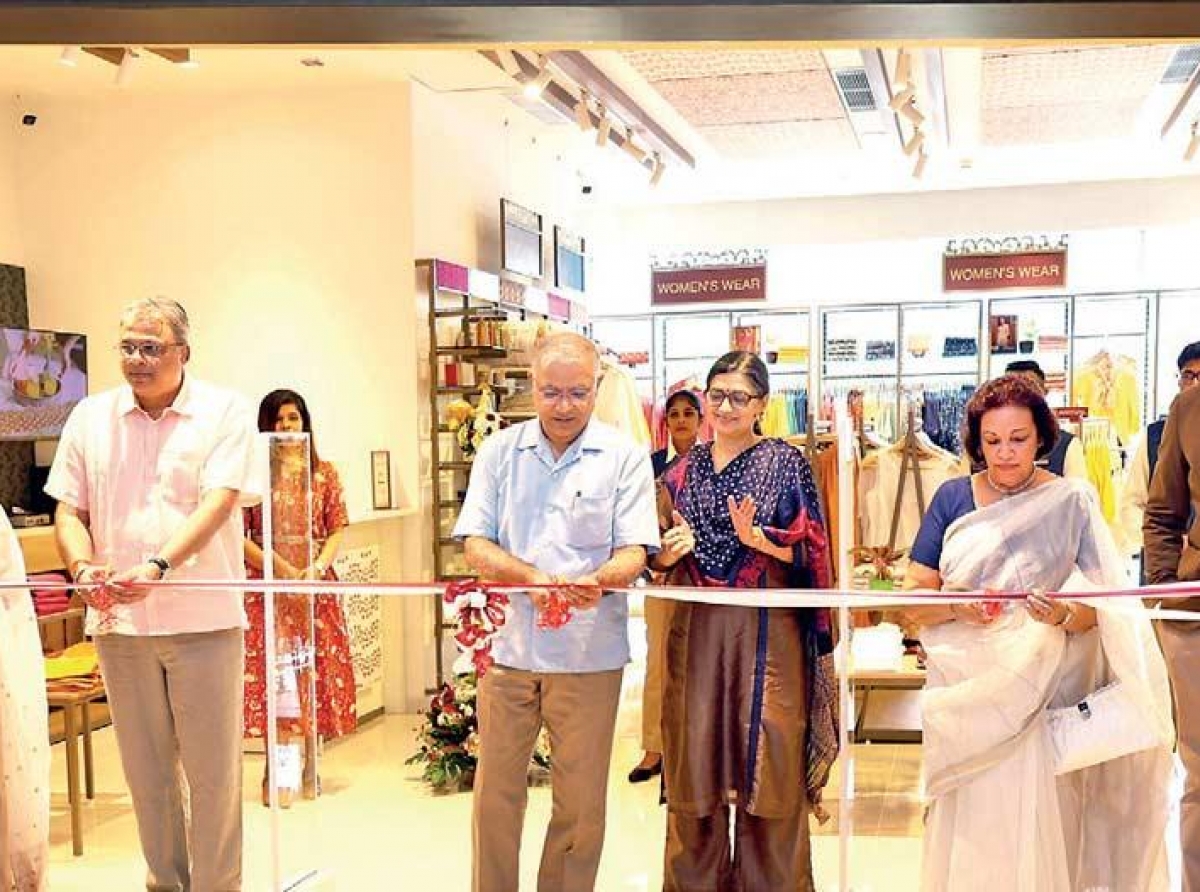
Fabindia’s first full year of retail operations in Sri Lanka offers a glimpse into how Indian lifestyle brands are beginning to build international businesses beyond the traditional NRI customer base. The retailer marked a year at its flagship store in Colombo’s Havelock City Mall in August, with the outlet recording steady month-on-month customer traction across apparel, home furnishings, linen and organic personal care.
The store is operated through an exclusive master franchise arrangement with Sri Lankan industrial group The Swadeshi Industrial Works PLC. The partnership gives Fabindia access to local market knowledge and operating infrastructure while limiting the capital and execution risks normally associated with establishing a wholly owned overseas retail network.
The significance extends beyond one store. For Indian brands built around craft, heritage and natural materials, markets across South Asia, the Middle East and other international destinations are increasingly becoming extensions of their domestic retail strategies.
The franchise advantage
Fabindia’s Sri Lanka strategy highlights a broader shift towards asset-light internationalisation. Instead of committing substantial capital to company-owned stores, Indian brands can use master franchises, joint ventures, exclusive distribution arrangements and local operating partners to establish market presence.
Table: Lifestyle brand’s overseas strategy
|
Brand |
Overseas model |
Target regions |
Primary product focus |
|
Fabindia |
Master Franchise & JVs |
GCC, Sri Lanka, Southeast Asia, Europe |
Artisanal apparel, home furnishings, wellness |
|
Vedant Fashions (Manyavar) |
Exclusive Brand Outlets (EBOs) |
US, UAE, UK, Canada |
Occasion wear, wedding attire |
|
Titan Company (Taneira) |
Group-led Retail Footprint |
GCC, North America |
Handcrafted sarees, handloom silks |
|
Forest Essentials |
Flagship Retail & Luxury Hotels |
UK, Middle East |
Ayurvedic wellness, premium beauty |
The model shifts several market-entry responsibilities to local partners, including handling regulations, property relationships and elements of distribution. For brands still investing heavily in domestic supply chains, technology and artisan networks, this can preserve capital for the parts of the business that create differentiation. The approach is particularly relevant for Indian lifestyle brands because their competitive advantage often lies not in scale alone but in product provenance, craftsmanship and cultural storytelling.
Beyond the NRI opportunity
The next stage of international expansion is also changing the target consumer. Indian brands mostly entered overseas markets largely to serve diaspora communities seeking ethnic wear and festive products. That opportunity remains important, but the addressable market is widening towards mainstream consumers interested in sustainability, craft and distinctive design. This gives Indian brands an opportunity to position handloom, handblock printing, organic cotton, natural materials and Ayurveda as lifestyle propositions rather than exclusively ethnic products.
Fabindia’s merchandise mix is suited to this transition. Apparel sits alongside home décor, linen and personal care, allowing the brand to build a broader lifestyle proposition and potentially increase customer frequency beyond occasion-led purchases. For international retailers, this distinction matters. A brand that depends solely on diaspora demand can remain niche. A lifestyle proposition has the potential to build a wider customer base across categories and price points.
Premium pricing can offset costs
International expansion does, however, bring a different cost structure. Freight, duties, local staffing, real estate, compliance and inventory replenishment can erode margins, particularly for products made through fragmented artisan supply chains.
Higher overseas price realisation can partly compensate for these costs. Premium Indian lifestyle products can command stronger ticket values in markets where consumers associate craftsmanship, authenticity and sustainable materials with differentiated value.
The challenge is ensuring that the premium does not become prohibitive once logistics and import costs are added. This makes supply-chain planning critical. Natural and hand-finished textiles can require longer replenishment cycles, while seasonal collections create additional inventory risks when demand forecasts are less predictable. Consequently, overseas retail expansion is not simply a store rollout exercise. It requires closer integration between merchandising, sourcing, production planning and international logistics.
Building a defensible craft proposition
For Indian lifestyle brands, the strongest advantage may ultimately lie in the connection between global retail and domestic artisan ecosystems. Brands with established producer networks can offer products that are difficult for international fast-fashion competitors to reproduce authentically.
This creates a potential differentiation moat at a time when consumers are becoming more attentive to material origins, production practices and product longevity. It also enables Indian companies to export not merely garments but a broader proposition built around craft, culture and responsible production.
Fabindia’s Colombo experience therefore is more than a single overseas store milestone. It shows how an established Indian heritage brand can use a local partner to test demand, build consumer familiarity and develop operational knowledge before committing to more capital-intensive markets.
The next phase of Indian globalisation
The broader shift is from Indian manufacturing for global brands to Indian brands building global consumer businesses. Manyavar, Taneira and Forest Essentials are pursuing different categories and geographic strategies, but their expansion reflects the same underlying ambition: convert Indian design, craftsmanship and cultural equity into internationally recognisable retail propositions.
For the industry, the asset-light model could make this transition faster and less capital intensive. Rather than attempting immediate large-scale store networks in expensive Western markets, Indian brands can establish regional beachheads, validate consumer demand and scale selectively.
Fabindia’s first year in Colombo consequently offers a useful template. If Indian lifestyle brands can replicate the combination of local partnerships, differentiated merchandise and disciplined supply-chain execution, overseas expansion could evolve from a niche NRI-led strategy into a meaningful second engine of growth for India’s branded consumer economy.









 Get in Touch!
