
Tier-II cities, repeat wear reshape India’s festive fashion retail
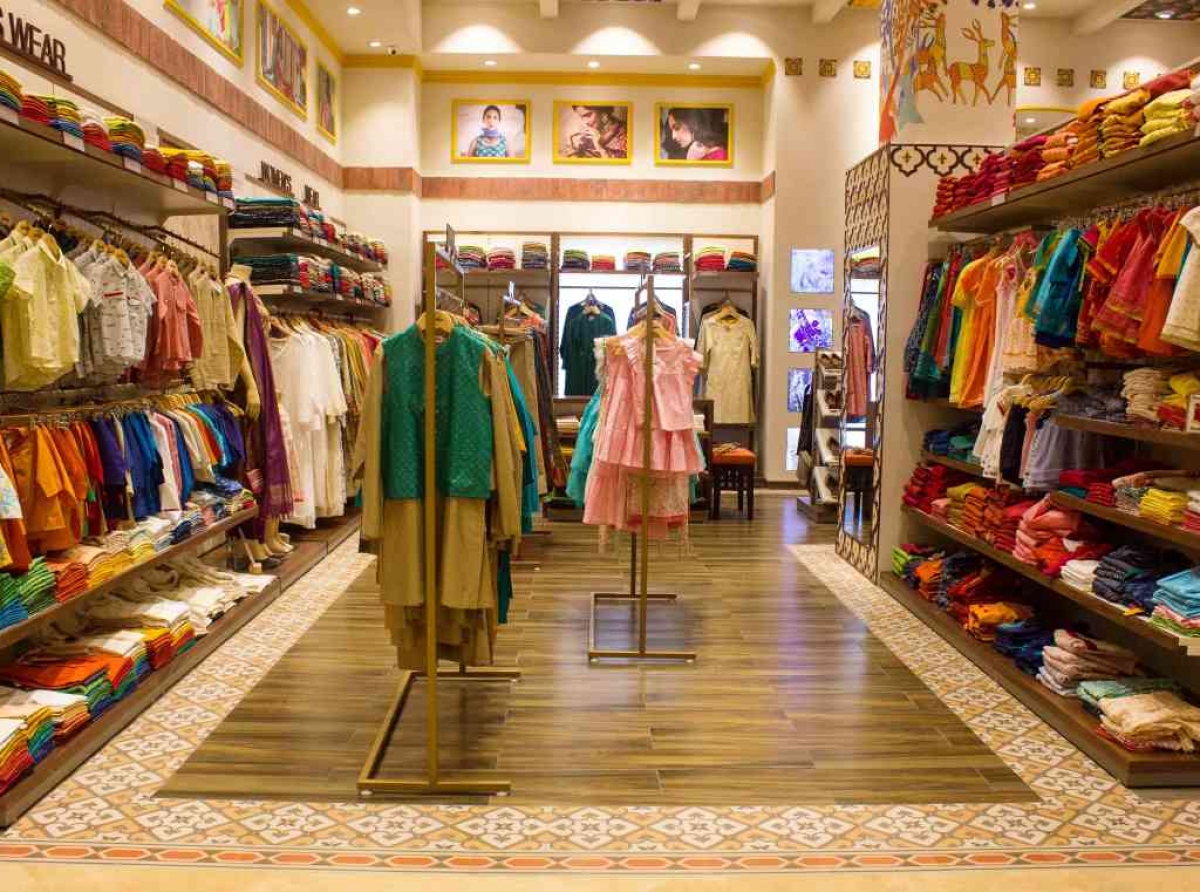
India’s festive fashion market is moving beyond high-ticket, single-occasion purchases as consumers seek ethnicwear that can be styled for weddings, family gatherings, office celebrations and everyday social occasions. For retailers, the shift towards versatile silhouettes, mix-and-match separates and region-specific merchandise is changing product development, inventory planning and festive merchandising.
India’s ethnicwear market, valued at around $22.8 billion and projected to touch $32.7 billion by 2032, has traditionally depended on the festive and wedding seasons for a substantial share of annual sales. However, shoppers are weighing repeat wearability and cost per wear alongside design and occasion appeal.
Digital platforms, including Myntra, AJIO and Amazon Fashion, are responding with lighter festive collections, contemporary ethnic silhouettes and coordinated separates that work across multiple occasions. The shift gives retailers an opportunity to improve inventory productivity while reducing exposure to markdowns on unsold seasonal merchandise.
The versatility play
Traditional festive merchandising centred on complete ensembles such as kurta-churidar-dupatta sets, heavily embroidered lehengas and ceremonial sherwanis. The emerging model gives greater prominence to versatile jackets, co-ord sets, lighter kurtas and separates that can be combined with existing wardrobes.
Table:
|
Strategic dimension |
Traditional occasionwear |
Evolving modular festivewear |
|
Merchandising Focus |
Full 3-piece sets (Kurta-Churidar-Dupatta, Lehengas) |
Mix-and-match separates, versatile jackets, tailored co-ords |
|
Consumer Decision Driver |
Visual extravagance for specific ceremony photography |
Repeat wearability, fabric breathability, cost-per-wear utility |
|
Inventory Turnover Risk |
High terminal markdowns on unsold seasonal stock |
Evergreen silhouettes adaptable for post-festive social wear |
|
Basket Composition |
Isolated single-apparel transactions |
Multi-category baskets (apparel paired with sneakers, beauty, jewellery) |
The commercial implications extend beyond design. Lighter fabrics, restrained embellishment and adaptable silhouettes can widen the occasions for which a garment is relevant, potentially improving sell-through beyond the festive peak.
Online festive fashion sales can rise three to five times above normal business levels, as per industry estimates cited in the market assessment. Capturing this demand depends on offering products that combine festive appeal with practical utility rather than relying exclusively on elaborate, high-value ensembles.
Regional demand diverges
Digital commerce is also exposing retailers to sharper regional variations in festive buying. Ahead of Ganesh Chaturthi, Myntra recorded a 3.8-fold increase in demand for Maharashtrian Nauvari drapes and a 2.3-fold rise in Paithani saris, alongside a 1.6-fold increase in premium silks. Quick-commerce service M-Now reported a 50 per cent increase over baseline traffic in Mumbai for cultural accessories, including traditional Marathi naths and nosepins. These trends show how digital catalogues and localised inventory can serve specific cultural occasions rather than simply extending the reach of standardised national assortments.
Demand is also expanding beyond metros. Amazon Fashion recorded a fourfold increase in festive fashion orders in Chandigarh, Surat and Jaipur, with growth also reported in Kochi, Patna and Nagpur. Regional preferences remain important. Northern markets show demand for structured styles such as bandhgalas and Nehru jackets, while parts of western and southern India favour lighter garments suited to local climates and styling preferences.
For retailers, this makes regional assortment planning increasingly important. A national festive collection may provide scale, but localised product selection and inventory allocation can help reduce mismatches between supply and demand.
Brands rethink assortments
Established ethnicwear retailers and digital-first labels are adapting their offerings to capture consumers seeking more flexible festive wardrobes. Vedant Fashions, which operates the Manyavar and Mohey brands, has built its business around wedding and ceremonial wear. Its lighter Indo-Western offerings, including draped kurtas that can be paired with slim-fit trousers and casual footwear, provide options for office celebrations and festive social gatherings without abandoning its core wedding proposition.
Women’s ethnicwear brands Indya and Libas have similarly expanded their use of pre-stitched saris, coordinated sets and detachable capes. Such designs can simplify styling and offer greater flexibility than heavily structured occasionwear.
Market observations cited in the assessment indicate that sell-through rates for transitional festive collections have exceeded those of traditional heavy ethnicwear sets by nearly 18 per cent, while returns have declined because of fewer fit-related issues. These figures, however, require brand-level validation before being treated as industry-wide trends. The broader opportunity is to extend the selling life of festive products while giving consumers more ways to incorporate ethnicwear into their existing wardrobes.
Bigger baskets, faster delivery
Festive shopping is an exercise in building a complete look rather than buying a single garment. A kurta or sari can prompt additional purchases of jewellery, footwear, cosmetics and gifts, creating opportunities to raise average order values. Platforms are using recommendation engines and styling features, including Amazon’s Rufus and ‘Wear It With’ tools, to suggest complementary products and encourage cross-category purchases.
Quick-commerce services add another layer by catering to last-minute requirements, particularly accessories and other festive essentials. Faster fulfilment across major urban markets can help retailers capture purchases that might otherwise be lost to timing constraints.
The challenge is to make recommendations relevant and commercially useful. Poorly matched suggestions can add friction, while coordinated merchandising can help shoppers complete an outfit in fewer steps.
Platforms compete on discovery
Myntra and AJIO are expanding their ethnicwear and occasionwear propositions as digital fashion consumption spreads across Tier-II, III markets. Their opportunity lies in combining broad assortments with regional discovery, personalised recommendations and fulfilment capabilities.
For brands, these platforms provide access to customers beyond established retail catchments. But broader reach also requires better demand forecasting and inventory placement, particularly when cultural preferences and festive calendars differ by region.
The next phase of festive retail will depend less on selling an outfit for one event and more on making each purchase relevant across several occasions. Retailers that combine regional assortment planning, versatile product design and effective cross-category merchandising could improve stock productivity while building repeat demand beyond the festive season.









 Get in Touch!
