
Designer bags outperform markets as India’s luxury economy eyes $85 bn future
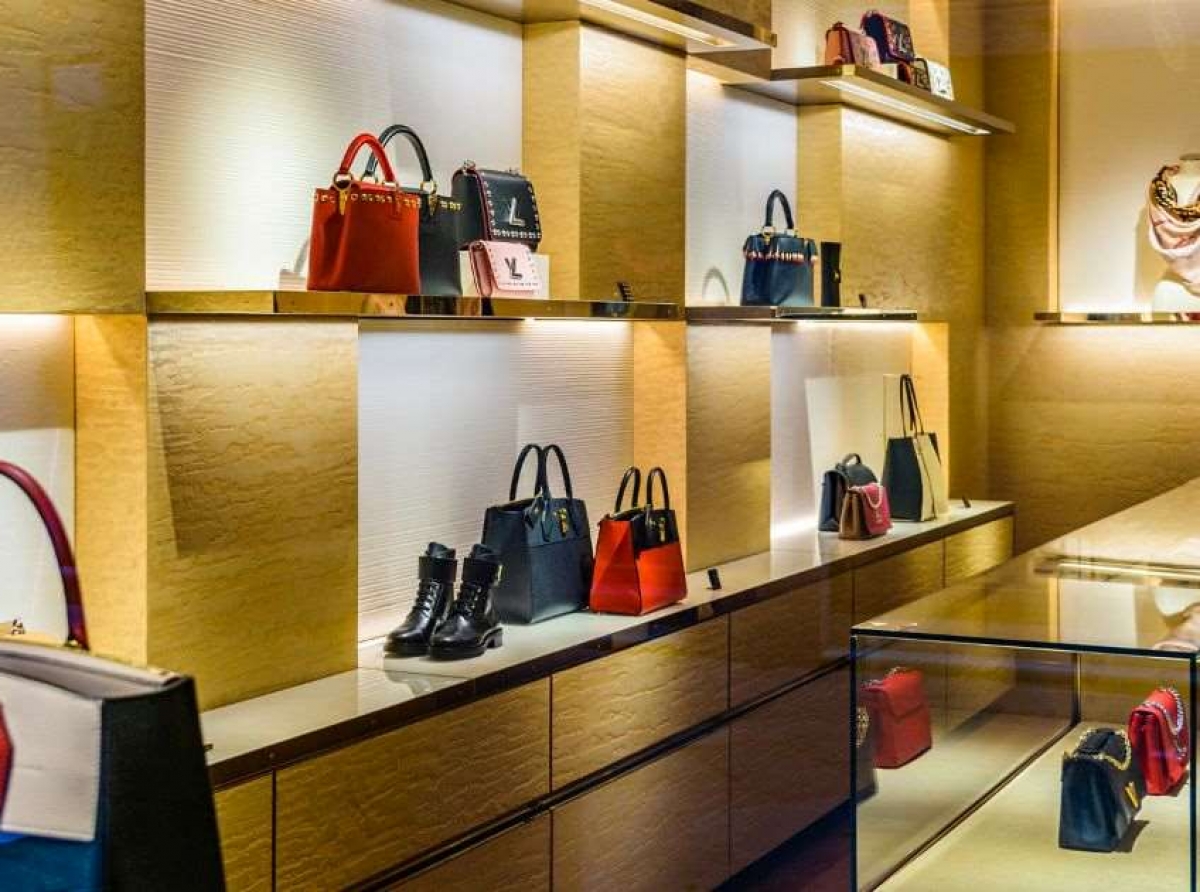
In India’s luxury segment premium consumer goods are being viewed not merely as symbols of status but as vehicles of wealth preservation and value creation. As affluent households regain spending confidence amid growing personal wealth, categories ranging from designer handbags to luxury wellness experiences are generating returns that rival and in some cases surpass traditional financial assets.
As per the Kotak Private Luxury Index 2025 (KPLI), developed in collaboration with Ernst & Young (EY), India’s luxury sector is growing at a compound annual growth rate (CAGR) of 6.7 per cent. And select premium lifestyle segments are outperforming broader market averages, reinforcing the perception that luxury consumption is evolving into a sophisticated investment theme among high-net-worth consumers.
Premium segments lead the growth curve
The KPLI data highlights a clear difference within the luxury market, with wellness, experiences and select collectible fashion categories emerging as the fastest-growing segments.
Table: India’s luxury market growth overive
|
Luxury category |
Annual growth rate (CAGR since 2022) |
|
Health & Wellness |
+14.3% |
|
Luxury Experiences |
+11.6% |
|
Prime Real Estate |
+10.8% |
|
Designer Handbags |
+10.2% |
|
Overall Indian Luxury Market |
+6.7% |
The findings suggest that affluent consumers are directing discretionary spending toward categories that combine exclusivity, utility and long-term value appreciation.
Fashion accessories become investment assets
One of the most striking developments in India’s luxury segment is the emergence of designer handbags as a recognised asset class. Traditionally associated with discretionary spending, premium handbags are now being accumulated by wealthy consumers as part of diversified wealth portfolios. The KPLI indicates that designer handbags have risen at a CAGR of 10.2 per cent since 2022, supported by limited product availability, controlled production volumes and consistent price increases implemented by global luxury houses.
The shift is particularly evident among ultra-high-net-worth individuals, a growing number of whom view iconic luxury products as collectible investments. Market estimates suggest that nearly one-fourth of India’s ultra-rich consumers actively collect premium handbags for long-term value creation. Globally recognised products such as the Birkin bag have become benchmarks for this trend, often retaining multiples of their original retail value in secondary markets. This has encouraged luxury retailers and distribution partners to strengthen their presence in India, targeting consumers who increasingly assess fashion purchases through an investment lens rather than purely an aspirational one.
Watches find stability after pandemic peaks
While luxury accessories continue to post strong gains, the premium watch market is entering a phase of normalisation following extraordinary growth during the pandemic years. Luxury watch price have corrected by approximately 17 per cent from their pandemic-era highs. However, industry stakeholders view this adjustment as a healthy recalibration rather than a sign of weakening demand.
Underlying demand indicators remain exceptionally strong. Swiss watch exports to India have grown by 35.5 per cent, making the country one of the fastest-growing destinations for Swiss timepieces globally. The growth has prompted aggressive retail expansion by multi-brand luxury operators and specialist watch retailers, particularly across major metropolitan markets. Industry executives believe the correction phase is creating a more sustainable environment for long-term growth while broadening the consumer base for premium horology.
Conglomerates position for an $85 bn opportunity
The long-term growth narrative for luxury retail remains compelling. Industry projections suggest that India’s luxury market could expand to approximately $85 billion by 2030, supported by rapid wealth creation, urbanisation and a rising base of affluent consumers. Adding momentum to the opportunity is the anticipated increase in the number of individuals with net worth exceeding Rs 25 crore, which is expected to reach nearly 4.3 lakh by 2028. Major corporate groups have already moved aggressively to secure leadership positions in this emerging market.
Reliance Brands has built a formidable luxury portfolio through partnerships and licensing agreements with several leading international labels, including Burberry and Giorgio Armani. The strategy reflects a broader effort to establish a comprehensive ecosystem that caters to India’s increasingly sophisticated luxury consumer.
Meanwhile, Aditya Birla Fashion and Retail Ltd (ABFRL) has focused on creating a diversified premium platform spanning both global and homegrown luxury. Through investments in celebrated designer brands such as Sabyasachi and Abu Jani Sandeep Khosla, the company is strengthening its presence across ethnic couture and contemporary luxury segments. The race among large retail conglomerates underscores growing confidence that premium consumption will become one of the most attractive growth engines within India’s broader retail sector over the coming decade.
Experience-led consumption reshapes luxury retail
Beyond products, a significant behavioural shift is redefining how affluent consumers allocate discretionary income. The KPLI reveals that health and wellness spending has grown by 14.3 per cent annually since 2022, making it the fastest-growing luxury category. Luxury experiences have also recorded an impressive 11.6 per cent CAGR during the same period.
Affluent consumers are increasingly prioritising longevity, preventive healthcare, wellness retreats and personalised experiences over traditional material consumption. Industry estimates suggest that approximately 10 per cent of discretionary spending among wealthy households is now directed toward wellness-related activities, while more than 60 per cent have participated in premium wellness retreats over the past three years.
For retailers, this shift is transforming the role of physical stores. More and more luxury brands are investing in immersive retail concepts that combine product discovery with personalised engagement. Flagship stores and premium malls are incorporating private lounges, bespoke consultations, craftsmanship demonstrations and invitation-only experiences designed to deepen customer loyalty and elevate brand perception.
ABFRL strengthens premium retail ambitions
Among domestic players, Aditya Birla Fashion and Retail Ltd continues to emerge as a major force in India’s premium and luxury landscape. The company operates an extensive portfolio that spans value fashion, premium apparel and luxury retail through brands such as Louis Philippe, Van Heusen, Allen Solly and Peter England, alongside its luxury multi-brand format, The Collective.
ABFRL reported revenue of Rs 13,996 crore in FY24, reflecting 13 per cent year-on-year growth. The company’s evolution from the Madura Garments business acquired by the Aditya Birla Group in 1999 to one of India’s largest fashion retailers illustrates the increasing strategic importance of premium and luxury retail within the broader apparel ecosystem.
As wealth creation increases and consumer preferences evolve, India’s luxury market appears poised to move beyond conventional notions of aspiration. The next phase of growth will likely be driven by consumers seeking products and experiences that deliver not only prestige but also long-term value turning luxury retail into one of the most dynamic segments of the country’s consumption economy.








 Get in Touch!
