
From temple flowers to premium fashion, the rise of India’s waste-to-value fashion model
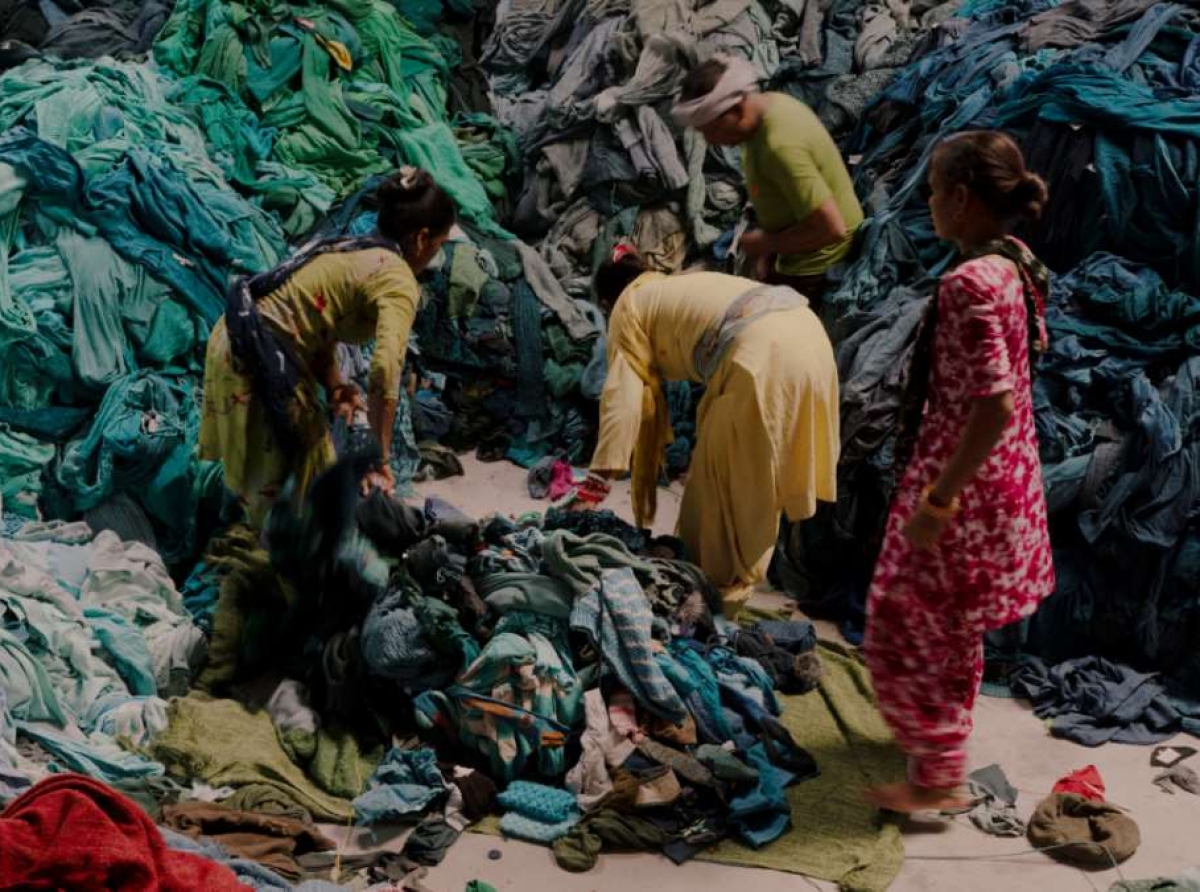
The global fashion industry is facing a reckoning. For decades, apparel manufacturing has relied on a linear model of extraction, production, consumption and disposal. The result has been an enormous environmental burden, with the textile sector generating an estimated 92 million tonnes of waste annually while consuming vast quantities of water, chemicals and fossil-fuel-derived inputs.
Now, mounting regulatory pressure from sustainability frameworks in Europe and growing environmental scrutiny across major consumer markets are forcing brands to rethink how garments are produced. Amid this transition, a new generation of decentralized micro-enterprises is emerging with a radically different proposition: treating waste as a commercial resource rather than a disposal problem.
Instead of building large factories and investing heavily in industrial processing infrastructure, these businesses are creating localized circular production systems that transform agricultural residue, floral waste and household organic materials into premium apparel and textile products.
Turning urban waste into textile assets
The foundation of this emerging model lies in the availability of abundant waste streams that remain largely underutilized. Across Indian cities, discarded temple flowers, coconut husks, fallen leaves and kitchen waste are increasingly being redirected into textile production networks.
Table: Evidence of the waste-to-value shift
|
Enterprise/ Initiative |
Geographical hub |
Waste input type |
Volume diverted /scaled |
Primary commercial output |
Livelihood/ social impact |
|
SewMuchBetter |
Kanpur, Uttar Pradesh |
Discarded temple flowers, household onion peels, kitchen scraps |
300 kg (Jan 2025 - Feb 2026) |
Premium artisanal apparel, eco-printed textiles |
Establishes local women as skilled textile artisans; supports higher education for youth |
|
Adiv Pure Nature |
Mumbai, Maharashtra |
Siddhivinayak temple blooms, coconut husks, marigolds |
1,000 to 1,500 kg per week |
High-fashion fabric yardage, luxury scarves, garments |
Employs a dedicated team of urban artisans; preserves ancestral hand-dyeing craft |
|
Project Palaash (Enactus Aryabhatta) |
Delhi-NCR |
Sacred floral offerings, tea leaves, madder roots |
Multi-ton seasonal collections |
Circular lifestyle apparel (Kurtas, Dupattas), organic colors |
Collaborates with NGOs to rehabilitate and employ underprivileged women |
|
Kokikar |
Pan-India Sourcing |
Fallen leaves (Eucalyptus, Guava, Neem), temple waste |
Zero-waste collection protocols |
Bespoke, unrepeatable "wearable art" via botanical printing |
Decentralized artisan nodes; absolute elimination of industrial water discharge |
The scale may appear modest compared to industrial textile operations, but proponents argue that replication rather than factory expansion is the key to future growth.
Communities replace capital
One of the clearest examples of the model is Kanpur-based SewMuchBetter, founded by entrepreneurs Akriti and Bhavya. The enterprise has diverted approximately 300 kg of discarded floral and household waste into commercially viable textile products by extracting natural pigments from materials such as temple flowers and onion peels.
The approach reflects a broader shift underway in sustainable fashion. Rather than investing in expensive dye houses and chemical processing facilities, businesses are building community-centered production ecosystems. Local women are trained as artisans and technicians, enabling enterprises to convert human capital into a productive asset while minimizing fixed infrastructure costs. This decentralized structure aligns with the rapid expansion of the global natural dyes market, valued at approximately $5.3 billion and projected to grow steadily as brands seek alternatives to synthetic chemical colorants.
For entrepreneurs, the attraction extends beyond sustainability. Lower capital requirements allow businesses to enter the market with significantly reduced upfront investment, creating opportunities that were previously inaccessible within traditional manufacturing frameworks.
Building resilience through circular inputs
The fashion industry's dependence on petroleum-based synthetic dyes and volatile raw-material markets has become an increasing source of risk. Fluctuating commodity prices, supply-chain disruptions and tightening environmental regulations have added pressure to manufacturers globally.
However, waste-derived inputs offer an alternative path. By sourcing materials from local waste streams, micro-enterprises gain access to low-cost raw materials while reducing exposure to global commodity fluctuations. The resulting products also appeal to a growing segment of environmentally conscious consumers willing to pay premium prices for verified sustainable goods.
For younger consumers in particular, purchasing decisions are increasingly influenced by transparency, environmental impact and social value. This shift has created a niche where smaller brands can command healthy margins despite operating at lower production volumes than mass-market competitors.
Science behind sustainable color
While the concept may sound artisanal, the success of botanical dyeing depends heavily on technical precision. Natural dye extraction requires carefully controlled processing methods to ensure pigments bond effectively with textile fibers. Marigold petals, for example, are separated and processed under optimized temperature conditions to produce vibrant yellow and orange colorants. Natural mordants such as alum are then used to improve color fixation without introducing hazardous chemicals.
Recent lab assessments of bio-derived dyes have demonstrated encouraging levels of color fastness, enabling fabrics to withstand standard commercial washing cycles while maintaining visual quality.
Equally important is the treatment of residual biomass. Unlike conventional dyeing operations that generate chemical-laden wastewater, organic residue from pigment extraction can be redirected into composting systems, creating a genuinely circular production loop with minimal landfill impact.
Scaling beyond the artisan economy
Despite its promise, the waste-to-value model faces numerous operational challenges. Global apparel markets demand consistency, repeatability and compliance with stringent quality standards. Natural materials, however, inherently vary across seasons, geographies and collection sources. Maintaining uniform color performance and fabric durability across large production runs remains one of the industry's biggest hurdles.
Certification requirements add another layer of complexity. Accessing international retail channels often requires compliance with standards such as USDA Organic certifications and Zero Discharge of Hazardous Chemicals (ZDHC) frameworks. For small entrepreneurs, navigating these requirements can be costly and administratively demanding.
Supply-chain fragmentation also presents challenges. Collecting, sorting and processing waste materials across multiple localized collection points requires coordination systems that many young enterprises are still developing.
The future of distributed fashion
Yet the broader commercial logic behind decentralized manufacturing continues to gain momentum.
As water scarcity, environmental compliance costs and resource constraints increase pressure on centralized production hubs, localized circular enterprises offer a more adaptable alternative. Their strength lies not in producing millions of identical garments from a single factory but in replicating community-based production hubs across multiple regions.
Digital commerce platforms further strengthen this model by allowing geographically dispersed artisan networks to operate under unified brands while reaching national and international consumers. For an industry under pressure to reconcile profitability with sustainability, these enterprises offer a compelling glimpse of what the next generation of apparel manufacturing may look like. In this emerging paradigm, competitive advantage is no longer determined solely by scale. It is increasingly defined by resource efficiency, community participation and the ability to transform local waste into globally marketable value.










 Get in Touch!
