
Paris opens the runway to India as couture enters a new era
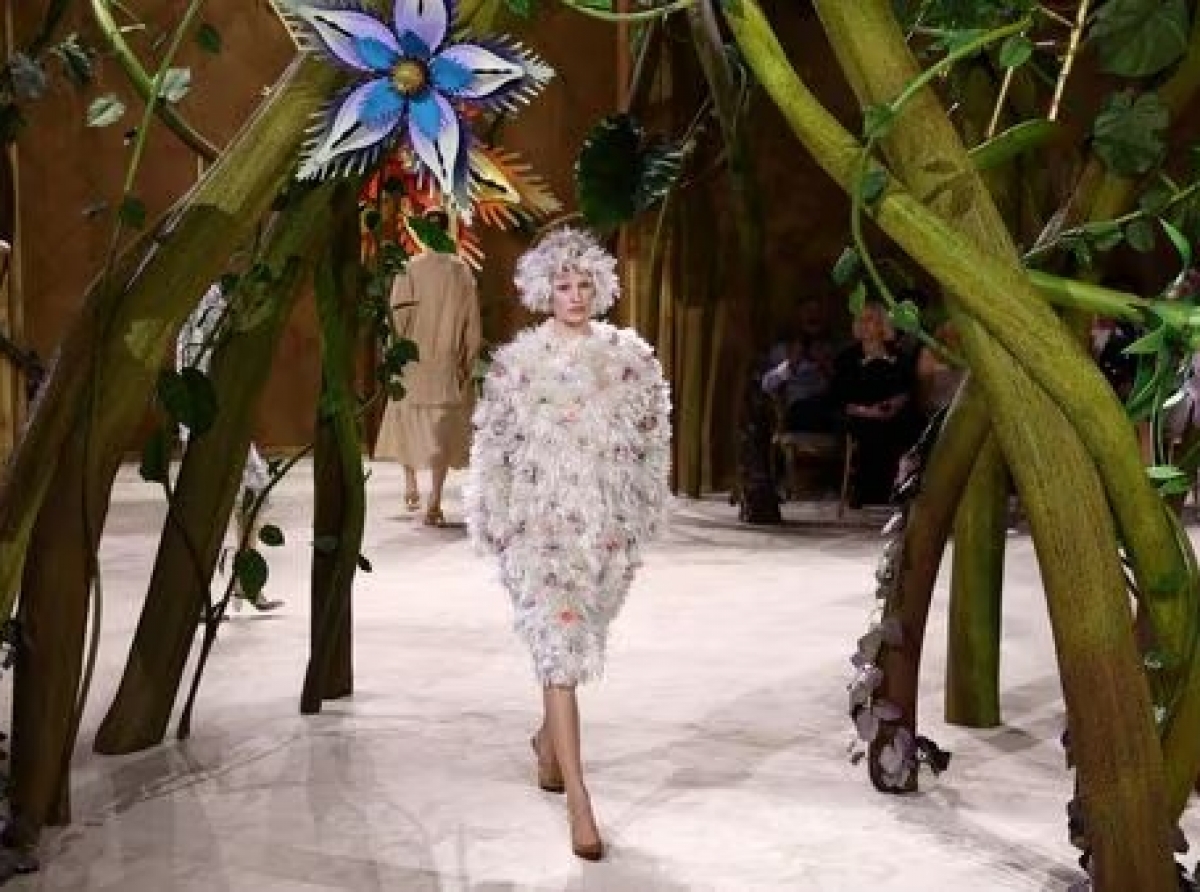
The just-concluded Paris Haute Couture Week marked a defining moment for Indian fashion, signalling a broader shift in the global luxury industry's balance of power. Once viewed primarily as the world's workshop for intricate embroidery and handcraft, India is now emerging as a creative force commanding its own place on fashion's most prestigious stage.
July 2026 saw Bollywood designer Manish Malhotra make his Paris Haute Couture debut, joining Rahul Mishra, Gaurav Gupta and Vaishali S as part of a growing Indian presence on the official calendar. The milestone reflects years of gradual acceptance, changing consumer dynamics and growing recognition that Indian craftsmanship deserves equal billing with European couture houses.
For decades, Indian artisans quietly created elaborate embroideries and embellishments for many of Europe's leading luxury brands. While the craftsmanship was celebrated, the creative identity behind it often remained invisible. That equation is beginning to change as Indian designers move from being suppliers of exceptional craftsmanship to globally recognised luxury creators.
Beyond ethnic wear
For Indian couturiers, Paris is more than another international fashion week. It remains the highest benchmark of creative legitimacy. Being included in the official calendar of the Fédération de la Haute Couture et de la Mode (FHCM) definitely boosts a designer's global positioning. It enables brands traditionally associated with bridal couture or occasion wear to reposition themselves as international luxury houses capable of shaping global fashion conversations.
Rahul Mishra's Fall 2026 collection, Devi, drew inspiration from nearly 2,000-year-old South Indian temple sculptures while presenting them through contemporary couture techniques. Shown before an audience that included international celebrities and influential luxury buyers, the collection demonstrated how Indian heritage can be interpreted within the language of global high fashion.
Similarly, Manish Malhotra's debut collection, Maa, paid tribute to his late mother by combining traditional Indian textiles such as brocade, silk and zardozi embroidery with softer, contemporary silhouettes associated with French couture. The presentation showcased Indian textiles are no longer confined to bridal lehengas but can seamlessly translate into modern luxury wardrobes with global appeal.
A two-way partnership
The growing Indian presence in Paris is equally significant for the French couture sector. Rather than simply opening its doors to greater diversity, Paris appears to be responding to evolving cultural and commercial realities. Haute couture thrives on extraordinary craftsmanship, originality and storytelling all areas where Indian designers possess distinctive strengths. The relationship has become mutually beneficial.
Table: The Paris-India haute couture exchange
|
Paris haute couture needs |
Indian designers seek |
|
Authentic craftsmanship |
Global recognition |
|
Fresh cultural narratives |
International luxury positioning |
|
Access to emerging luxury markets |
Prestige of the Paris couture calendar |
This table explains why more Indian designers are finding space on the official calendar. Paris benefits from access to centuries-old artisanal techniques and compelling creative narratives, while Indian luxury brands gain international credibility and stronger access to affluent global consumers.
The foundation of this relationship remains India's vast network of skilled artisans. Multi-generational karigars continue to preserve embroidery, weaving and embellishment techniques that few global markets can replicate at comparable scale. As European ateliers contend with ageing workforces and rising labour costs, India's artisanal ecosystem has become increasingly valuable to the future of couture.
Luxury's new growth market
Economic considerations are also reshaping the industry's outlook. India has emerged as one of the world's fastest-growing luxury markets, attracting growing attention from global fashion houses. Rising disposable incomes, growing premium consumption and the increasing influence of large retail groups have strengthened the financial ecosystem supporting Indian luxury brands.
With major retail players investing aggressively in premium fashion and luxury experiences, Indian designers now possess stronger business capabilities to compete internationally. Paris also recognises that India's affluent consumers represent an increasingly important customer base for global couture. As Manish Malhotra observed during the week, India's representation on the official calendar reflects long-overdue recognition of the country's contribution to global fashion.
The road to Paris
Appearing on the official Haute Couture calendar remains one of fashion's most demanding achievements. Designers cannot simply purchase a runway slot. Instead, they must apply for ‘guest member’ status with the FHCM, whose selection committee evaluates candidates against rigorous creative and technical standards.
Every collection must consist of individually crafted, made-to-measure garments that showcase exceptional handmade expertise and technical mastery. Beyond craftsmanship, designers must also present a distinctive artistic vision capable of advancing the creative language of couture.
For many designers, acceptance follows years of cultivating relationships with international editors, critics, buyers and celebrity clients through off-calendar presentations before receiving an official invitation. The stringent process reinforces why participation in Paris Haute Couture Week remains one of luxury fashion's highest honours.
Craft takes centre stage
The July 2026 season may ultimately be remembered as a milestone in luxury's global evolution. Indian designers are no longer participating as representatives of a regional fashion tradition. Instead, they are presenting collections that combine India's centuries-old textile heritage with contemporary design, placing craftsmanship at the centre of modern luxury.
The increasing presence of Indian couturiers in Paris also reflects a broader shift within the luxury industry, where authenticity, heritage and artisanal excellence are becoming as valuable as brand legacy. For India, the journey from supplying embroidery to shaping couture narratives represents more than symbolic recognition. It marks the emergence of Indian fashion as a global luxury category in its own right, one that is influencing how the world defines craftsmanship, creativity and the future of haute couture.










 Get in Touch!
