
H&M intensfies regional penetration with three stores across emerging Indian markets
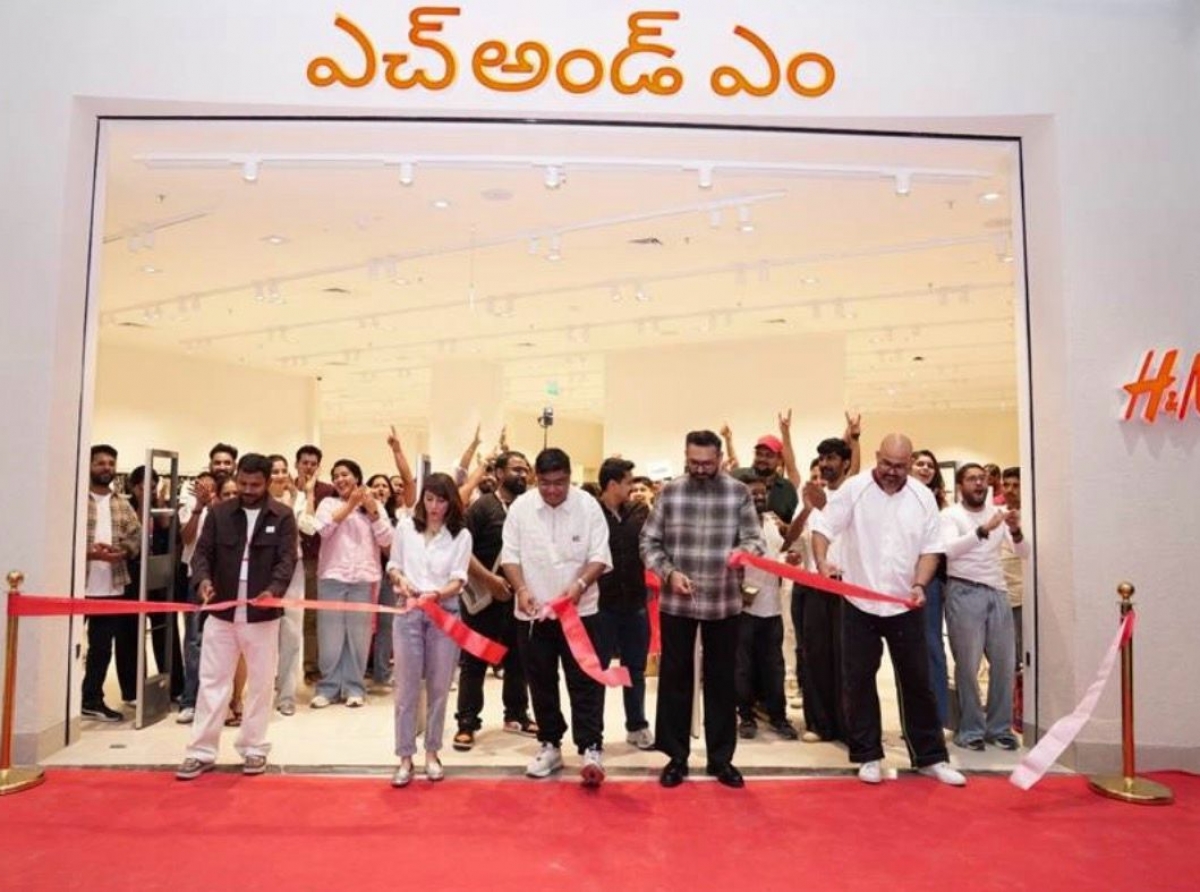
International apparel groups are accelerating physical retail deployment within secondary and tertiary urban clusters to capture rising disposable incomes outside primary metropolitan centers. Swedish fast-fashion pioneer H&M has executed a simultaneous three-city launch program, opening independent flagship storefronts in Raipur, Bhopal, and Visakhapatnam. This localized expansion successfully elevates the company's domestic footprint to 74 exclusive commercial locations. Industry analysts note that establishing permanent storefronts in high-growth regional hubs allows global brands to bypass standard market saturation barriers while meeting escalating consumer demand for accessible trends.
Synchronizing omnichannel logistics and inventory flow
Scaling retail operations across geographically dispersed tier-two markets requires robust supply chain frameworks to maintain optimal stock replenishment and rapid inventory turnover. By integrating centralized warehousing networks with localized digital fulfillment channels, the brand ensures that weekly merchandise allocations reach suburban retail floors with minimal latency. Market strategists observe that combining experiential brick-and-mortar touchpoints with comprehensive e-commerce ecosystems significantly reduces customer acquisition costs and drives long-term brand loyalty among emerging demographic cohorts.
Targeting multi-channel growth
H&M is a global fashion and retail enterprise specializing in contemporary apparel, footwear, and accessories for men, women, and children. Operating extensive retail markets across Europe, the Americas, and Asia, the brand offers accessible fast-fashion collections alongside home and activewear lines. Backed by multi-billion-dollar corporate revenues and an expanding Indian network exceeding seventy stores, the company targets aggressive multi-channel growth.










 Get in Touch!
