All Stories

Fabindia accelerates western wear and quick commerce to drive retail growth

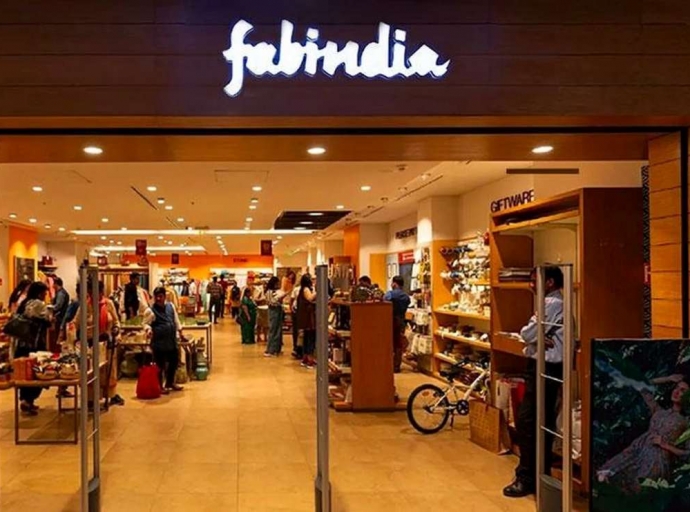
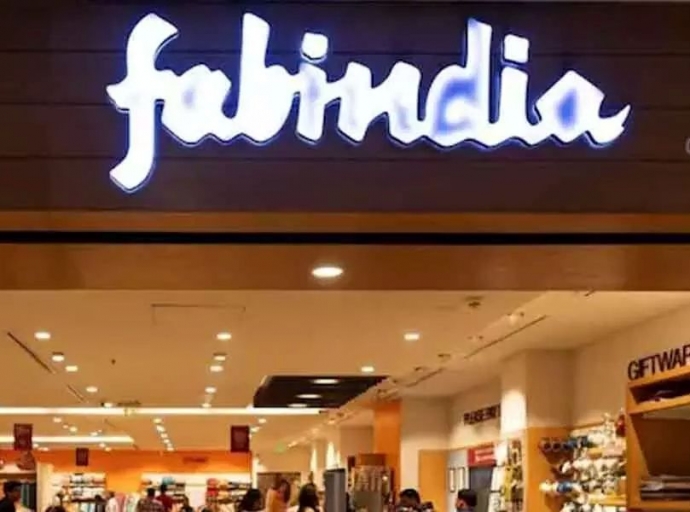
Fabindia is restructuring its core retail strategy to capture younger consumers and protect operating margins amid intensifying competition from fast-fashion giants. The heritage lifestyle brand is leaning into its Western wear brand, Fabels, while expanding into non-traditional sales channels like quick commerce.

Strategic shift toward modern silhouettes

While ethnic apparel continues to command nearly 70 per cent of total apparel sales, growth in modern, Western-inspired lines is outpacing traditional categories. Driven by changing consumer demographics in Tier-1 metros, the retailer is scaling its modern apparel label to provide contemporary cuts without sacrificing sustainable fabric sourcing. To complement store traffic across its network of over 360 operational locations, Fabindia became an early pioneer in hyper-fast fulfillment, listing staple product categories on platforms like Blinkit and Zepto.

Our growth agenda centers on multi-channel accessibility. Adapting traditional textiles into contemporary styles allows us to reach younger demographics without losing brand identity, noted an executive familiar with internal operations.

Despite persistent inflationary pressure on retail overheads, revenue for FY26 reached Rs 1,112.08 crore, compared to Rs 1,059.64 crore in FY21, with EBITDA holding at Rs 130.26 crore. Industry analysts observe, integrating modern apparel cuts and instant digital distribution provides the company with a reliable pathway to optimize store economics, retain market share, and stabilize long-term cash flow.

Focusing on premiumized product portfolio diversification

Founded in 1960 as an export venture, Fabindia has grown into an iconic lifestyle retailer offering ethnic and Western apparel, home furnishings, and personal care products. The brand operates over 360 stores domestically while selectively expanding into international hubs including Italy, Dubai, and Singapore. Fabindia maintains an annual revenue profile above Rs 1,100 crore, focusing future growth on omnichannel scale and premiumized product portfolio diversification.

Fabindia accelerates western wear and quick commerce to drive retail growth

Strategic sourcing and localized assortments power Uniqlo’s profitability growth in India

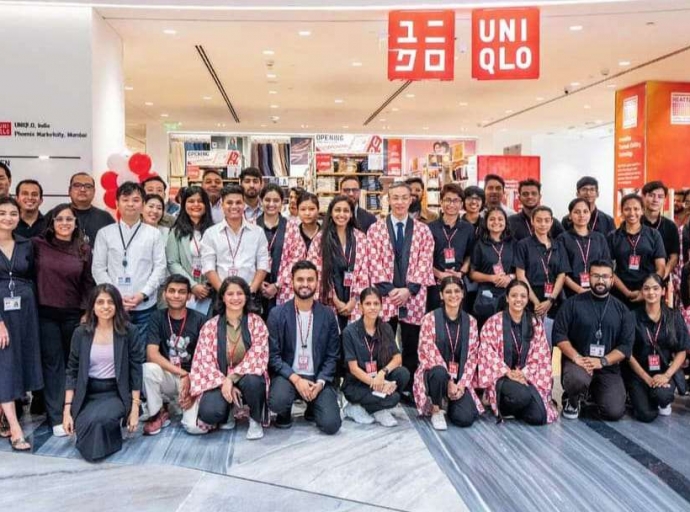
Uniqlo India recorded a 41 per cent Y-o-Y increase in net profit to Rs 253 crore for FY26, reflecting high inventory turnover and strong store productivity across its brick-and-mortar footprint. The brand’s operational revenue increased by 44 per cent to surpass the Rs 1,000 crore benchmark, propelled by strong consumer demand for functional essential wear such as AIRism and Dry-EX moisture-wicking collections. Rather than relying on heavy discount cycles, the Japanese fast-fashion brand achieved expanded operating margins by maintaining stable full-price sell-through rates across both metro flagship locations and expanding suburban shopping hubs.

MUCH MORE

Domestic supply chain scaling and multi-city store network

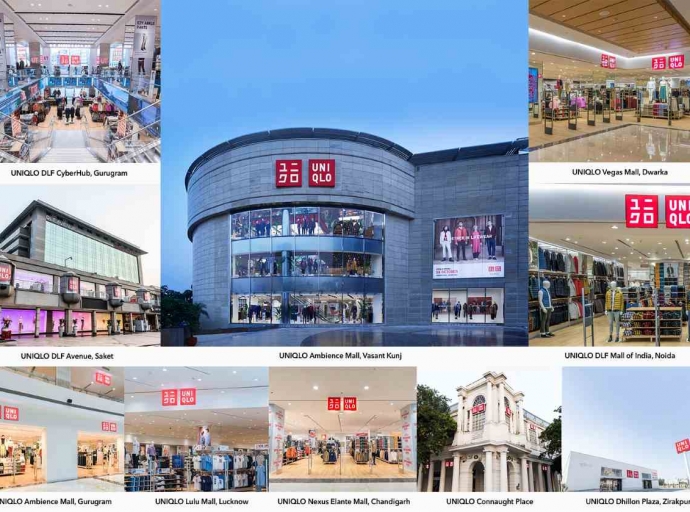
To support long-term expansion goals, Uniqlo is scaling its domestic manufacturing footprint, with plans to double its local sourcing ratio from 15 per cent to 30 per cent. Sourcing natural fiber fabrics like cotton and linen directly from Indian mills enables the brand to optimize landed costs, shorten production lead times, and insulate operating margins against global freight volatility. Having established 18 large-format stores, parent company Fast Retailing is accelerating physical store openings toward a target of over 100 locations by 2031, focusing on Tier-I and Tier-II urban clusters.

EASITEX

Retail footprint scaling

Scaling localized production hubs alongside disciplined store rollout gives global fashion retailers a resilient cost structure while driving sustained full-price volume growth, noted a New Delhi-based retail equity strategist.

Uniqlo India is the domestic subsidiary of Japan's Fast Retailing, selling functional LifeWear apparel. Operating across major Indian metropolitan hubs, the company plans to scale to 100 stores by 2031 while doubling domestic sourcing. It generated over Rs 1,000 crore in FY26 revenues following its market entry in 2019.

Easitex-Textiles Sustainability

Strategic sourcing and localized assortments power Uniqlo’s profitability growth in India

Aditya Birla-backed luxury houses scale menswear footprint via occasionwear formats

Luxury designer houses are expanding structural investments across premium menswear, leveraging high-profile runway platforms to capture India’s growing $\$15$ billion ethnic wedding and occasionwear sector. During Lakme Fashion Week 2026, designer Tarun Tahiliani unveiled his latest menswear range for Tasva  - his joint venture with Aditya Birla Fashion and Retail Limited (ABFRL) - featuring actor Ali Fazal as showstopper. Retail strategists note that corporate backing from groups like ABFRL allows couturiers to scale beyond bespoke couture into high-margin, organized ready-to-wear formats, addressing expanding consumer demand across Tier-I and Tier-II metros.

MUCH MORE

Industrializing couture techniques for retail scale

To support nationwide store rollouts while protecting brand equity, luxury labels are modernizing supply chains and atelier workflows. Tahiliani’s latest collection integrates traditional Aari and Zardozi embroidery into lightweight, cfontemporary silhouettes, driving modern wedding wardrobe versatility. Brand executives confirm, combining structured tailoring with standardized manufacturing processes enables scaled retail rollouts without compromising artisanal precision. Industry projections indicate that establishing specialized menswear footprints will prove critical as luxury groups target Rs 600–Rs 700 crore revenue milestones over coming operational cycles.

EASITEX

Planning scaled retail growth across India and abroad

Founded in 1995 by Tarun Tahiliani, the couture house specializes in bridalwear, bespoke tailoring, and luxury accessories.Majority-owned by Aditya Birla Fashion and Retail (51 per cent stake), the brand targets scaled retail growth across India and international markets, backed by expanding ready-to-wear operations and premium menswear footprint extensions.

Easitex-Textiles Sustainability

Aditya Birla-backed luxury houses scale menswear footprint via occasionwear formats

Apparel and quick-commerce expansion drive Flipkart’s Rs 1.46 lakh crore revenue run-rate

Flipkart Group’s strategic prioritization of lifestyle e-commerce, quick-commerce fulfillment, and advertising services generated a 18.2 per cent growth in FY26 consolidated revenue from operations, reaching Rs 1,45,880 crore compared to Rs 1,23,451 crore in FY25. The company’s focus on high-frequency fashion categories and rapid delivery infrastructure - notably via Flipkart Minutes, which expanded to nearly 1,200 micro-fulfillment hubs - helped narrow adjusted operating losses by Rs 1,600 crore. Absolute gross margins expanded by 23 per cent, underscoring improved unit economics across apparel, footwear, and consumer goods distribution.

MUCH MORE

Elevated financing costs constrain net profitability recovery

Despite floor-level operational gains, Flipkart's overall bottom-line recovery remains weighed down by rising financial obligations and non-operating expenditures. Consolidated net loss narrowed marginally by 2.1 per cent to Rs 8,468 crore from Rs 8,646 crore in FY25. Total expenses increased by 16 per cent to Rs 154,781 crore, impacted by an 86 per cent rise in finance costs to Rs 1,209 crore alongside increased logistics and fulfillment spending. Nevertheless, advertising revenues rose  by over 30 per cent, giving fashion brands direct digital promotional access to an expanding active user base.

SUSTAINABILITY

Strategic capital realignment ahead of listing

Strengthening monetization through retail media and high-margin apparel categories provides essential margin buffers as e-commerce majors prepare for public market listings, noted an e-commerce equity research analyst.

EASITEX

Expanding micro-fulfillment networks

Flipkart Group operates multi-category e-commerce platforms specializing in fashion apparel, consumer electronics, and quick-commerce delivery across India. Founded in 2007, the Walmart-owned retail giant is scaling micro-fulfillment networks and advertising services ahead of a planned domestic IPO, supported by Rs 1.46 lakh crore FY26 revenues.

Easitex-Textiles Sustainability

Apparel and quick-commerce expansion drive Flipkart’s Rs 1.46 lakh crore revenue run-rate

Fabindia accelerates ESG leadership and Tier-II expansion with new appointment

Ethical lifestyle retailer Fabindia has appointed Isha Chatterjee as Manager of PR, Corporate Communications, and Public Policy to streamline its strategic messaging framework across emerging growth markets. The executive leadership shift aligns with the brand's commercial strategy to deepen footprint across Tier-II and Tier-III urban clusters, where sustainable retail demand is surging at over 18 per cent annually. Managing a network of over 50,000 rural artisans, the company is positioning public policy and communications as a core strategic lever to protect brand equity, manage supply chain compliance, and reinforce consumer trust across both digital platforms and physical store formats.

Strategic policy alignment drives omnichannel scalability

This corporate realigning comes as heritage craft brands navigate tightening regulatory standards around ESG metrics and origin disclosures in eco-conscious fashion. Chatterjee brings a decade-long background across corporate communications, fintech, and public relations to lead integrated earned, owned, and policy communications. Communications functions must operate as strategic commercial drivers that align multi-stakeholder reputation with long-term retail growth, notes Chatterjee. By connecting policy advocacy directly with artisan supply chains, Fabindia aims to strengthen its premium market position while expanding its experiential retail presence nationwide.

Focusing on sustainable omnichannel expansion

Fabindia is an ethical lifestyle brand offering hand-crafted apparel, home furnishings, and personal care products. Sourcing from thousands of traditional rural artisans across India, it operates nationwide retail stores and international outlets. The retailer focuses on sustainable omnichannel expansion, driving steady revenue growth while maintaining a heritage established in 1960.

Fabindia accelerates ESG leadership and Tier-II expansion with new appointment

Metro Brands leverages store expansion to drive Q2 topline

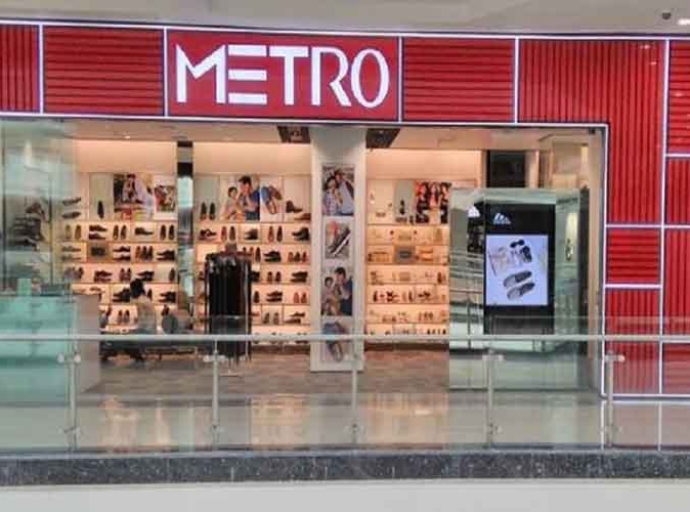
Specialty footwear and accessories retailer Metro Brands Limited delivered strong operational momentum in Q2 FY27, reporting a 12.2 per cent Y-o-Y in consolidated revenue to Rs 730 crore. Operating EBITDA expanded 15.9 per cent to Rs 198 crore, while net profit after tax reached Rs 77 crore, supported by premium price realizations and resilient consumer demand across multi-brand footwear chains. The gross margin expanded to 58.4 per cent during the first half, reflecting healthy category margins across footwear, bags, and athleisure accessories.

MUCH MORE

Omnichannel reach and network growth

Accelerated physical store additions alongside digital channel integration remain key commercial priorities for the footwear operator. The retailer’s footprint surpassed 1,053 exclusive stores across Tier-I to Tier-III Indian cities by late September 2026, while e-commerce and omnichannel fulfillment contributed 14.2 per cent to overall quarterly revenues. To enhance retail yields, a prominent multi-brand Metro store in Mumbai updated its inventory management system to unify physical and digital stock pools, resulting in a 15 per cent improvement in stock turnaround efficiency. Managing operating expenses across newly added retail locations and navigating shift in festive buying dates remain key operational headwinds. Focusing on premium product portfolios and disciplined retail network expansion enables sustainable growth across diverse footwear formats, states Farah Malik Bhanji, Managing Director.

EASITEX 

Footwear retail profile

Founded in 1955, Metro Brands operates over 1,050 retail stores across India under brands including Metro, Mochi, MetroActiv, and Foot Locker. Delivering high-margin footwear and lifestyle accessories across urban markets, the company aims to sustain double-digit growth by accelerating omnichannel sales and expanding exclusive brand partnerships nationwide. year-on-year growth in consolidated revenue to Rs 730 crore. Operating EBITDA expanded 15.9 per cent to Rs 198 crore, while net profit after tax reached Rs 77 crore, supported by premium price realizations and resilient consumer demand across multi-brand footwear chains. The gross margin expanded to 58.4 per cent during the first half, reflecting healthy category margins across footwear, bags, and athleisure accessories.

Easitex-Textiles Sustainability

Metro Brands leverages store expansion to drive Q2 topline

Elie Saab harnesses India's high-net-worth boom with landmark Delhi boutique

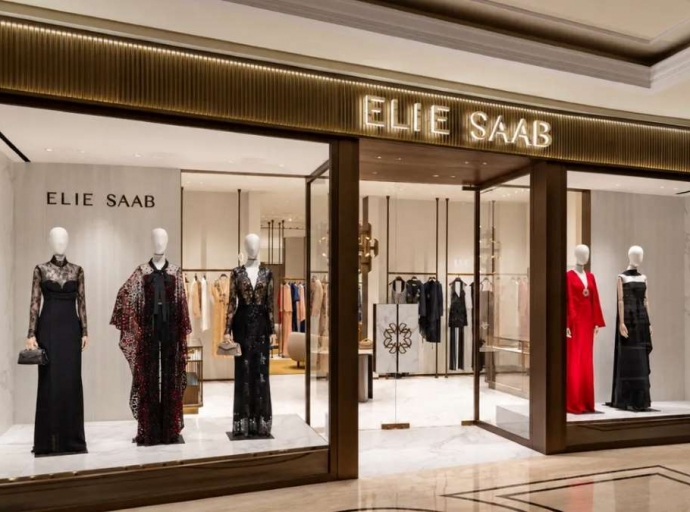
Lebanese couture house Elie Saab has officially anchored its brick-and-mortar retail strategy in India with the opening of its first standalone boutique at DLF Emporio in New Delhi. The store launch aligns with an unprecedented surge in domestic appetite for international luxury apparel and bespoke eveningwear, driven by expanding affluent demographics across metro regions.

MUCH MORE

Strategic retail integration and portfolio footprint

The new Delhi store houses Elie Saab’s ready-to-wear collections, bridal apparel, accessories, and fragrance lines, bringing runway couture directly to high-net-worth Indian consumers. The store launch follows the brand's multi-tier expansion strategy in India, which also includes a Rs 3,500 crore branded residential real estate partnership in the National Capital Region.

Establishing physical luxury flagships in key capitals allows international couture houses to directly capture the booming Indian celebration-wear market while ensuring localized client relationship management, noted a senior luxury retail consultant. Industry estimates project Indian luxury market spending to maintain double-digit growth through 2030, encouraging global legacy houses to establish dedicated storefronts rather than relying on multi-brand wholesale channels.

Refer

Targeting revenue expansion across emerging markets

Founded in 1982 in Beirut, Elie Saab is an international haute couture and luxury lifestyle brand operating across Europe, the Middle East, Asia, and the Americas. Known for red-carpet gowns, ready-to-wear, bridal fashion, and home design, the luxury house continues to target sustained revenue expansion across high-growth emerging consumer markets.

Easitex-Textiles Sustainability

Elie Saab harnesses India's high-net-worth boom with landmark Delhi boutique

Uniqlo taps star power to drive seasonal fleece demand across Indian retail markets

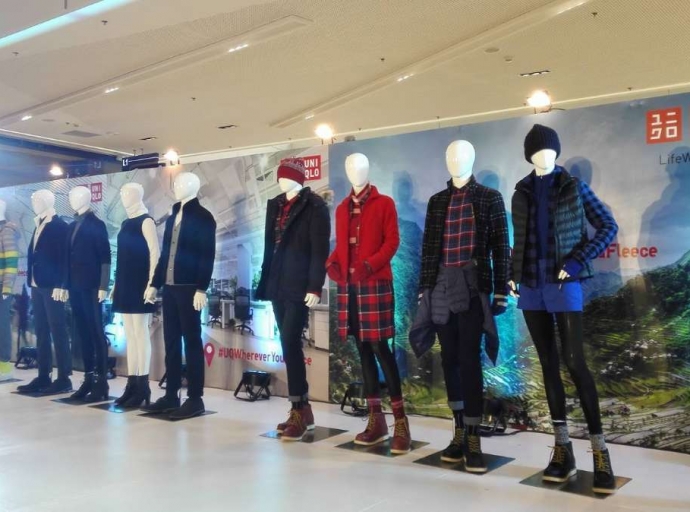
Global apparel powerhouse Uniqlo is intensifying its retail market penetration in India by launching its latest seasonal campaign starring actor Kriti Sanon and international cricketer Jasprit Bumrah. Designed to reinforce the brand's core LifeWear philosophy, the marketing initiative spotlights an expansive color palette spanning olive, navy, dark brown, and wine across versatile silhouettes such as the Fluffy Yarn Fleece Jacket and the Windproof Fleece Reversible Full-Zip Hoodie. By aligning functional winter garments with prominent cultural icons, the brand aims to capture growing consumer preference for functional apparel that bridges relaxed home comfort with active daily mobility.

MUCH MORE

Scaling omnichannel presence and retail footprint

The brand aims to evolve a key wardrobe essential that seamlessly pairs warmth with modern utility for diverse consumer routines, states Nidhi Rastogi, Marketing Director, Uniqlo India. Supported by a multi-channel media deployment spanning digital platforms, outdoor installations, and immersive in-store merchandising, the retail strategy responds to rising domestic demand for lightweight yet thermally efficient garments. Industry observers note, as international fast-fashion brands aggressively expand brick-and-mortar storefronts across Tier-I and Tier-II Indian urban centers, targeted lifestyle storytelling remains critical for driving same-store sales growth and customer acquisition.

VIEW

Timeless design innovation and supply chain efficiency

Operated by parent enterprise Fast Retailing, Uniqlo specializes in high-quality, functional everyday casual wear. With a global network exceeding 2,500 stores, the brand targets key international markets across Asia, Europe, and North America. Backed by strong financial performance, the company continues aggressive retail expansion plans in South Asia, anchoring its long-term strategy on timeless design innovation and scalable supply chain efficiency.

SUSTAINABILITY

Uniqlo taps star power to drive seasonal fleece demand across Indian retail markets

Shoppers Stop leverages premiumization and beauty sourcing to drive operational recovery

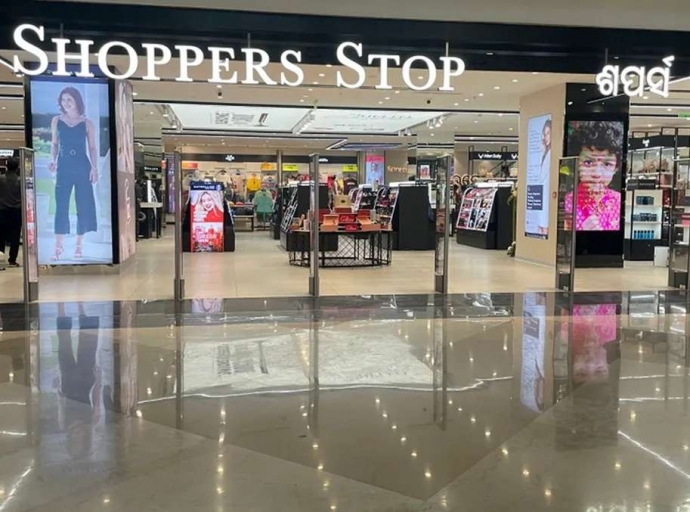
Indian department store giant Shoppers Stop achieved a sharp financial turnaround in Q2 FY27, reporting a consolidated net profit after tax of Rs 6 crore compared to a loss of 7 crore in the prior year period. Non-GAAP consolidated revenue climbed 7% year-on-year to reach ₹1,618 crore, powered by strong demand for high-margin apparel and beauty categories. Despite a calendar shift moving peak festive buying into the third quarter, the retailer’s core department store format delivered Rs 1,302 crore in sales with a 7 per cent festive-adjusted like-for-like growth trajectory.

MUCH MORE

Category expansion and capital efficiency

Strategic focus on premium merchandise mixes and value fashion formats continues to enhance retail margins. The company’s beauty segment expanded 18 per cent Y=o-Y to Rs 367 crore, led by a 35 per cent increase in fragrance sales, while its beauty distribution arm rose by 59 per cent to Rs 168 crore. Concurrently, its value apparel chain, Intune, generated Rs 72 crore while reducing operating drag. Capital expenditures reached Rs 39 crore for the quarter across seven new store openings. Managing higher store expansion overheads and inventory velocity remain ongoing operational priorities as debt levels decreased by Rs 82 crore. Prudent capital allocation and expanding premium product portfolios across apparel and beauty remain central to sustained profitable scale, notes Kavindra Mishra, Customer Care Associate, Managing Director and CEO.

EASITEX

Eyeing debt-free status by Q3,FY27

Founded in 1991, Shoppers Stop operates 289 department, beauty, and value fashion stores across 75 Indian cities. Serving over 14 million First Citizen loyalty members across premium apparel and beauty categories, the retailer aims to become fully debt-free by Q3 FY27 through disciplined store rollouts.

Easitex-Textiles Sustainability

Shoppers Stop leverages premiumization and beauty sourcing to drive operational recovery

Victoria’s Secret reaches retail milestone with debut Jaipur store

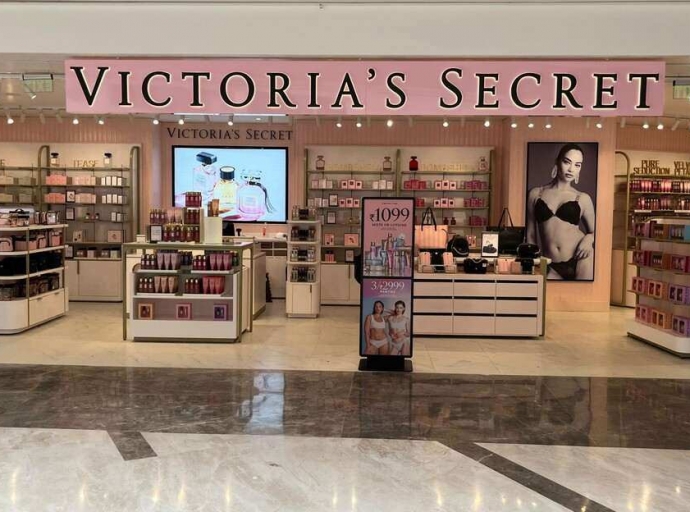
Global intimates and specialty retail giant Victoria’s Secret has officially inaugurated its maiden storefront in Jaipur, pushing its domestic retail network to an aggregate of 20 exclusive outlets across India. Established through a strategic franchise partnership with Apparel Group India, the newly minted brick-and-mortar location introduces local consumers to the brand’s diversified merchandise matrix, spanning signature lingerie, beauty formulations, and lifestyle accessories. The expansion reflects a calculated push toward high-growth regional hubs, capitalizing on rising disposable incomes and surging demand for international luxury labels outside traditional metropolitan centers.

Experiential commerce and global collection rollouts

Operating within a modern experiential retail format, the Jaipur boutique features the brand's latest global store design framework, integrating immersive merchandising with personalized client servicing. Synchronized with the store launch, the location debuts the international 2026 Fashion Show Collection, bridging global runway debuts with immediate domestic retail availability. Industry analysts note that this localized deployment model successfully bridges digital discovery with physical touchpoints, driving higher average basket sizes and fostering long-term brand loyalty among emerging demographic segments in Rajasthan.

Blending experiential boutique with digital commerce

Victoria’s Secret operates as a premier global intimates, beauty, and specialty apparel brand renowned worldwide for its lingerie collections, prestige fragrances, and body care ranges. In the Indian market, the brand is scaled through an exclusive operational partnership with Apparel Group India, targeting key metro domains and emerging luxury tier-one hubs. The enterprise pursues an aggressive omnichannel growth trajectory, blending physical experiential boutiques with robust digital commerce. Backed by solid financial momentum and expanding retail footprints, the brand continues to consolidate its market share within the premium lifestyle segment across the subcontinent.

Victoria’s Secret reaches retail milestone with debut Jaipur store

Uniqlo's Rs 60 cr store model challenges India's scale-first fashion retail

India’s apparel retail market has entered a phase where store productivity has emerged as an equally important growth factor as physical expansion. FY25 financial disclosures of global fashion retailers show very different approaches to scaling in India: Uniqlo generated nearly Rs 1,193 crore from 20 stores, H&M recorded about Rs 3,595 crore from 60 outlets, while Inditex-owned Zara posted Rs 2,782 crore from roughly 23 stores.

The numbers underline a growing difference in retail models. Uniqlo’s approximately Rs 59.6 crore annual revenue per store, achieved while boosting revenue by around 45 per cent, highlights how functional products, higher basket values and disciplined expansion can deliver scale without a sprawling store network.

Productivity takes centre stage

The comparison also shows that store productivity cannot be viewed through revenue alone. Zara continues to generate significantly higher estimated revenue per outlet, reflecting its premium positioning and concentration in large flagship locations. Its India revenue remained broadly stable in FY25, but net profit rose 23 per cent to Rs 299.47 crore, pointing to the importance of price realization, markdown discipline and operating efficiency. H&M has a broader-volume model, using a substantially larger store network and frequent fashion rotations to reach consumers across established and emerging urban markets. Uniqlo works between these approaches, using relatively fewer stores while concentrating on high-volume wardrobe essentials.

Table: Brands annual India revenue and value proposition

Brand

Parent company

FY25 India revenue (Rs cr)

YoY top-line growth

Store count

Est. annual revenue per store (Rs cr)

Value proposition

Uniqlo

Fast Retailing

1,193

45%

20

59.6

Utilitarian daily wear, technical fabrics

H&M

H&M Group

3,595

9%

60

59.9

Trend-led, high-volume fast fashion

Zara

Inditex (ITRIPL JV)

2,782

0.5%

23

120.9

High-fashion runway adaptation, premium pricing

Three routes to scale

H&M's model depends on breadth, rapid product rotation and a large physical footprint. Its expansion across Tier-I, II cities gives the brand access to a wider youth-fashion consumer base, while promotional activity helps maintain inventory velocity. Zara follows a more concentrated strategy. Its flagship stores are largely located in premium shopping destinations, where the brand can support higher price points through fashion differentiation and rapid adaptation of global runway trends.

Uniqlo's proposition is fundamentally different. Its ‘LifeWear’ model is built around everyday products and proprietary fabric technologies such as AIRism, HeatTech and Ultra Light Down. The merchandise is designed to remain relevant across seasons rather than depend on short-lived fashion cycles. That difference has implications for working capital. Core products can remain on shelves for longer periods, reducing dependence on aggressive end-of-season discounting and making demand forecasting more predictable.

The ‘LifeWear’ strategy

Uniqlo's model is particularly relevant as Indian consumers trade up from unbranded apparel towards quality and functionality. Core T-shirts, trousers and seasonal cooling or thermal layers can be replenished across multiple quarters. Neutral colours and repeat purchases also support larger baskets, while the reduced dependence on rapidly changing styles can limit markdown exposure. This approach is reflected in Uniqlo India's FY25 performance. Profit after tax more than doubled to Rs 178.4 crore, translating into a net margin of roughly 15 per cent. The model does not eliminates the need for scale. Rather, it changes the definition of scale from the number of doors opened to the amount of revenue and profit generated from each location.

Local sourcing adds value

The next phase of competition is also moving upstream. India's branded apparel market is projected to approach $120 billion by 2030, while international retailers are seeking to deepen local sourcing as part of broader China-plus-one strategies. Uniqlo is targeting a domestic sourcing ratio of around 30 per cent and is developing manufacturing partnerships in southern textile clusters for products and materials including linen and technical knits.

Greater local sourcing can reduce import-duty exposure, provide a hedge against currency movements and shorten supply chains. For retailers seeking to expand store productivity, these benefits can be as important as incremental store additions. Retail strategist point out urban consumer is showing greater preference for durable and functional apparel. For global brands entering their second phase of expansion, he argued, the focus is increasingly shifting towards capital efficiency, sales density and localized supply chains.

Small city expansion tests the model

The productivity-first approach, however, faces limits outside India's largest metros. Premium grade-A mall space remains constrained in several emerging markets, while the price elasticity of functional apparel becomes more pronounced beyond affluent urban catchments.

Domestic value retailers such as Zudio and Reliance Retail formats have established strong positions in everyday apparel, creating a difficult environment for international brands attempting to replicate metropolitan pricing and store economics.

For Uniqlo, the next challenge will therefore be maintaining its productivity advantage while broadening its geographical reach. Its stated ambition of reaching around 100 stores by 2031 will require a careful balance between physical expansion, digital distribution, localized pricing and supply-chain integration.

The larger lesson for India's apparel market is clear: the next retail race may not be won simply by whoever opens the most stores. Increasingly, the critical metrics will be revenue density, inventory productivity, margins and the ability to make each physical outlet work harder.

Uniqlo's Rs 60 cr store model challenges India's scale-first fashion retail

Latest Publications

Image

Join Our Group

Join Our Group