
Retail majors double down on stores as offline expansion gains momentum
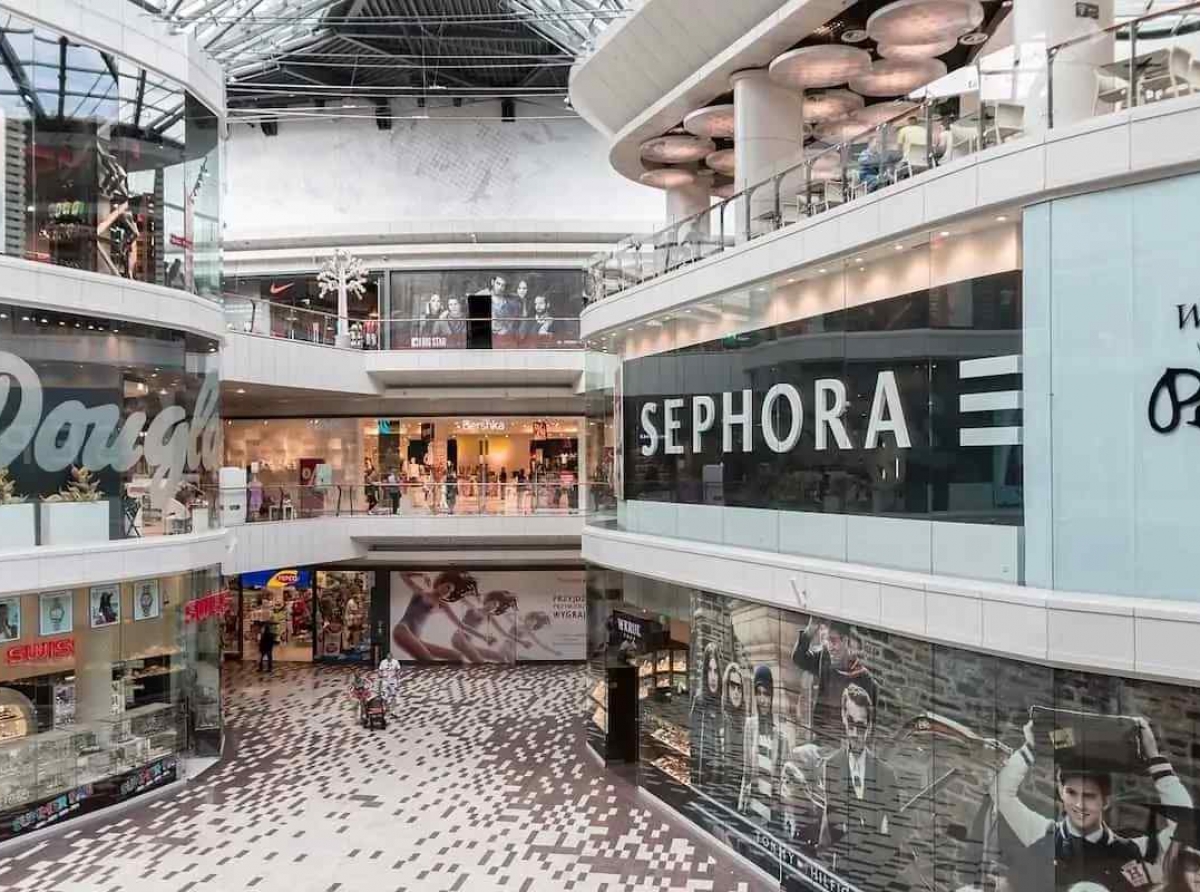
India's leading retailers are making their strongest commitment to physical retail in years, signalling that brick-and-mortar has once again become central to long-term growth strategies. After several years of optimizing store portfolios and strengthening balance sheets, companies are now raising fresh capital and increasing capital expenditure to accelerate expansion across metros as well as Tier-II and Tier-III markets.
The country's largest listed retailers including Reliance Retail, Avenue Supermarts (DMart), Trent, Shoppers Stop and Arvind Fashions collectively added 2,182 net stores in FY26, a 25 per cent increase over the 1,745 outlets added in FY25. The expansion has pushed their combined network beyond 31,000 stores, reflecting renewed confidence in India's consumption story.
Table: Capital deployment & expansion strategies
|
Company |
Capital deployment |
Expansion strategy |
|
Trent |
Up to Rs 2,500 crore fundraising approved |
100 new Westside stores annually + rapid Zudio expansion |
|
Reliance Retail |
Rs 22,521 crore non-current borrowings |
Expansion of physical stores and 700+ dark store network |
|
Avenue Supermarts (DMart) |
Rs 1,000 crore NCD issuance |
Multi-state store expansion |
|
More Retail |
Rs 500 crore via HSBC-backed NCDs |
Omnichannel and hypermarket expansion |
|
Shoppers Stop |
Rs 114 crore FY26 capex |
Added 27 stores including INTUNE brand expansion |
|
Arvind Fashions |
Internal accruals |
150,000 sq. ft. of net retail area planned in FY27 |
Economics shift in favour of stores
The latest expansion cycle reflects a change in retail economics rather than a reversal of digital strategies. Customer acquisition through online channels has become expensive, prompting retailers to view stores as both sales destinations and long-term customer acquisition assets. A well-located outlet not only drives footfalls but also improves brand visibility and lowers regional customer acquisition costs.
At the same time, India's retail infrastructure has matured significantly. Premium malls and organized high streets are rapidly emerging beyond the largest metros, particularly in cities such as Jaipur, Lucknow, Indore and Visakhapatnam. The availability of Grade-A retail space has enabled domestic brands to enter markets that previously lacked modern retail spaces.
Demand has also improved. Higher disposable incomes, tax relief measures and resilient consumer spending have encouraged discretionary purchases, particularly in apparel, lifestyle and beauty categories. Consumers in smaller cities increasingly prefer immediate product availability and in-store experiences alongside digital convenience. Industry leasing data underscores this trend, with Grade-A retail leasing crossing 8.9 million sq ft, led by fashion, personal care and food service brands.
Value retail drives expansion
Much of the investment is concentrated in value fashion formats, where affordability and rapid inventory turnover offer attractive economics. Trent continues to scale both Westside and Zudio, targeting around 100 Westside store additions annually while rapidly expanding its value-fashion business. The company's standardized store formats, merchandising and operating processes have reduced rollout timelines and improved capital efficiency. In Q1 FY27, Trent reported standalone revenue of Rs 5,666 crore, up 19 per cent year-on-year, largely due to new store additions.
Shoppers Stop is pursuing a dual-format strategy. While investing in premium department stores, it is simultaneously expanding its value-fashion chain INTUNE, which recorded 46 per cent revenue growth during FY26. The retailer added 27 stores during the year, including 14 INTUNE outlets, while generating Rs 301 crore in operating cash flows and reducing debt, allowing it to fund expansion without materially stretching its balance sheet. Arvind Fashions is also maintaining its expansion momentum, targeting 150,000 sq. ft. of net retail additions in FY27, exceeding the 140,000 sq. ft. added in FY26 across its portfolio of premium international brands.
Meanwhile, value retailer V-Mart Retail reported a 22.8 per cent increase in quarterly profit, supported by improving footfalls across Tier-II and Tier-III markets, reinforcing the industry's growing confidence in regional consumption.
Stores become fulfilment hubs
Rather than competing with e-commerce, physical stores are now becoming integral components of omnichannel retail. Retailers are redesigning store networks to function as localized fulfilment centres that support faster deliveries, better inventory utilization and lower logistics costs.
Reliance Retail exemplifies this hybrid approach. The company increased non-current borrowings to Rs 22,521 crore in FY26 from Rs 14,809 crore a year earlier while continuing to increase both its physical store network and its portfolio of more than 700 dark stores that support hyperlocal delivery. Similarly, More Retail secured over Rs 500 crore through privately placed non-convertible debentures to strengthen both store expansion and omnichannel fulfilment capabilities.
The mixing of physical retail and digital commerce is allowing retailers to place inventory closer to consumers, shorten delivery timelines and improve inventory productivity while maintaining a unified customer experience.
Expansion enters a new phase
The current investment cycle differs markedly from the post-pandemic years, when retailers focused on cost optimization and portfolio rationalization. Today, healthier balance sheets, improved cash generation and greater access to capital are enabling companies to pursue expansion from a position of financial strength rather than necessity.
More importantly, retailers are no longer evaluating stores solely on direct sales. Physical outlets are increasingly expected to support customer acquisition, brand building, fulfilment and omnichannel engagement simultaneously.
As organized retail penetrates deeper into India's smaller cities and modern retail infrastructure continues to grow, the latest wave of store openings suggests that physical retail is entering a new growth cycle one where stores are becoming strategic assets that complement, rather than compete with, digital commerce.










 Get in Touch!
