
Domestic apparel brands leverage B2B trade platforms to counter margin pressures
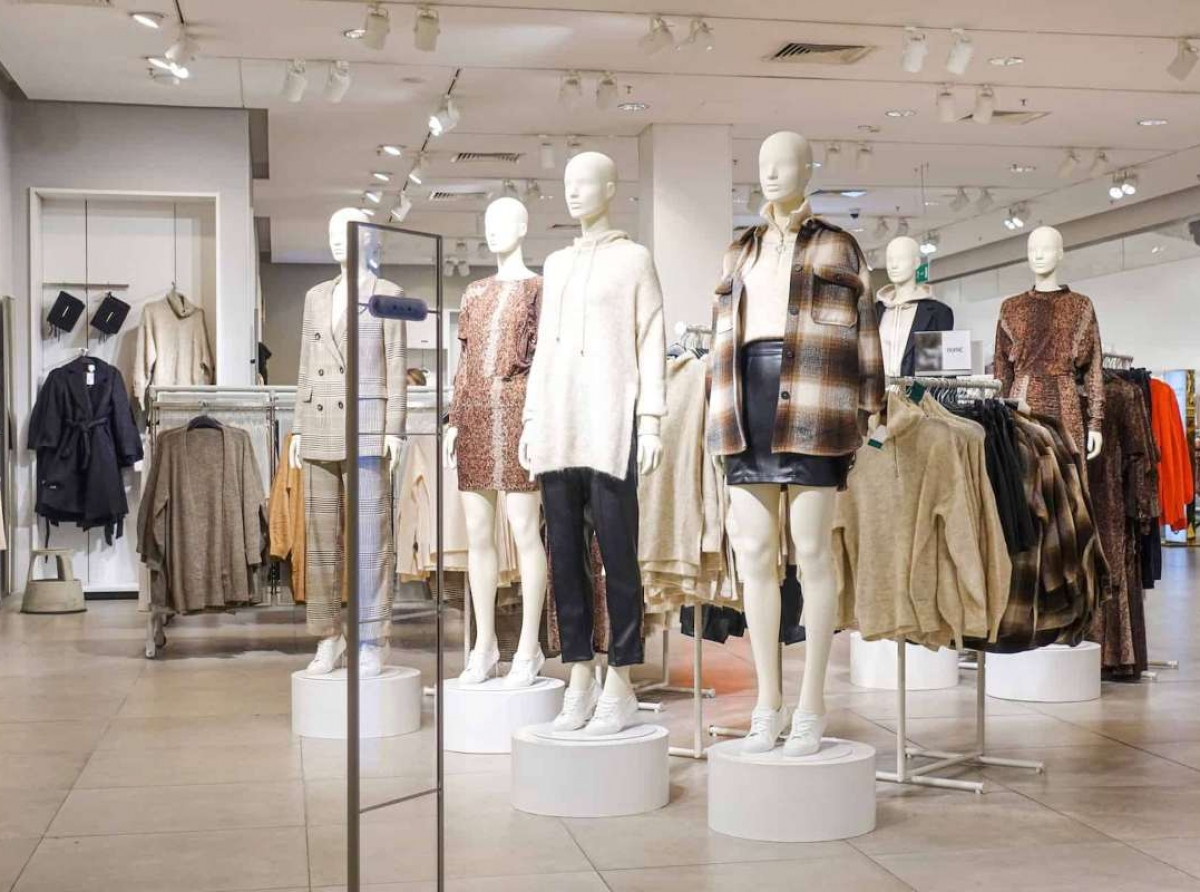
India’s apparel manufacturing sector is recalibrating retail inventory strategies as domestic consumption approaches $146 billion by 2029. Ahead of the 84th National Garment Fair organized by the Clothing Manufacturers Association of India (CMAI) in February 2027, over 920 manufacturers and 1,010 brands have secured exhibition space spanning 41,000 sq m in Mumbai. Industry executives cite, direct B2B procurement enables garment makers to mitigate raw material price fluctuations and eliminate middleman markups. Kids’ wear leads current manufacturer commitments with 382 exhibitors, followed by women’s wear at 280 and men’s wear at 244, reflecting shifting domestic retail demand patterns.
Navigating cost dynamics via strategic merchandising
Operational cost inflation and evolving consumer purchasing habits continue to test gross margins across middle-market retail brands. Santosh Katariya, President, CMAI, notes, garment manufacturers are adopting agile production cycles and sharper product assortments to protect profitability while expanding into tier-two and tier-three urban markets. Market analysts emphasize, structured trade platforms allow regional retailers to secure competitive credit terms and optimize stock turn rates before peak seasonal selling periods, reinforcing stability across domestic supply networks.
Advocacy and industry mobilization hub
Founded over six decades ago, the Clothing Manufacturers Association of India represents over 7,000 apparel manufacturers and serves a distribution network of 50,000 retailers nationwide. The association drives policy advocacy, domestic market development, and sustainable apparel initiatives - such as the SU.RE project - to modernize India's textile value chain across manufacturing hubs.










 Get in Touch!
