
India’s apparel market bets on value retail, womenswear and physical stores
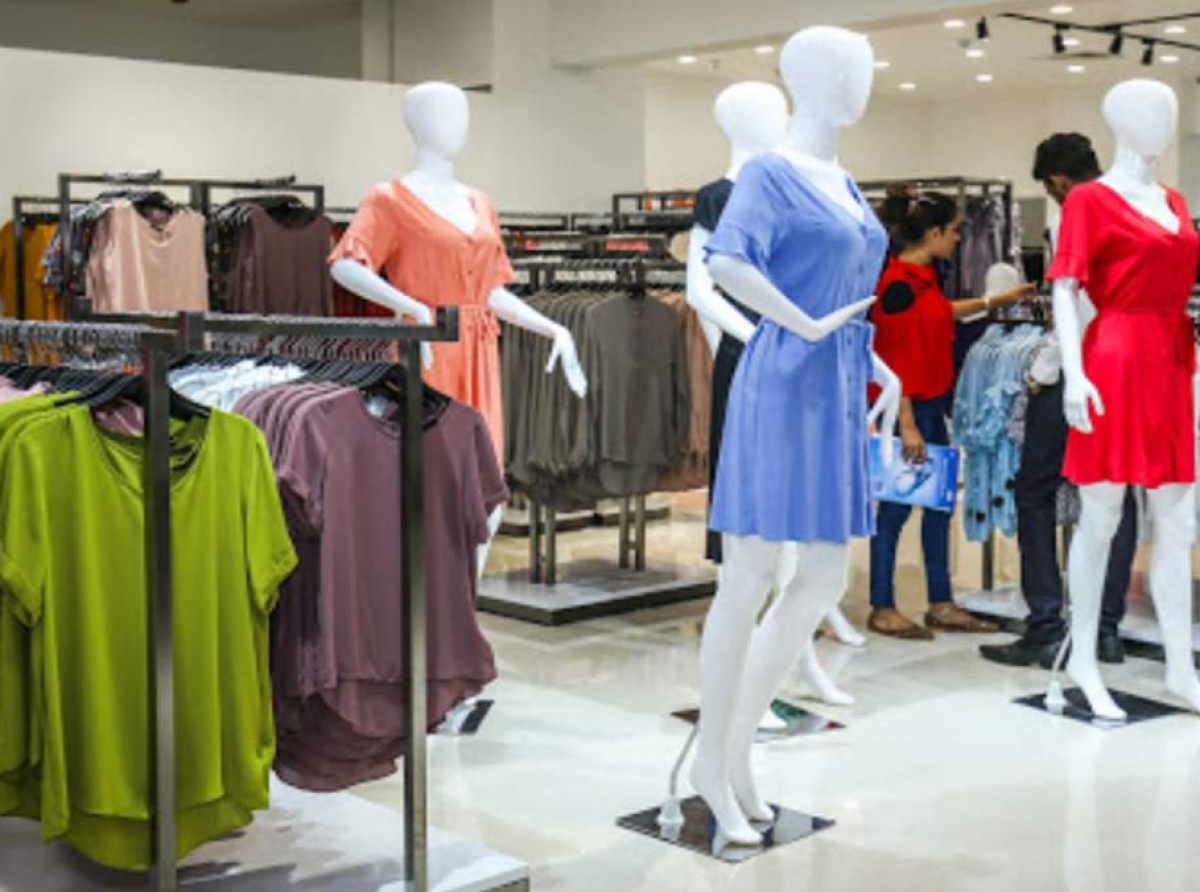
Value fashion, physical stores and women’s wear are emerging as the strongest drivers for India’s apparel retail sector as it enters a more measured phase of expansion. Latest sector research from IMARC Group reveal, the market is projected to be increase from $88 billion in 2025 to $117.05 billion by 2034, at a 3.16 per cent CAGR. Indeed growth rate are modest compared to earlier industry expectations, the opportunity remains significant due to India’s large consumer base and growing organised retail footprint. The composition of the market gives a clearer picture of where growth is likely to come from.
Table: Market composition
|
Segment dimension |
Market share (2025) |
Primary catalyst |
|
Category: Mass |
71.60% |
Expanding middle-class base, price sensitivity, value chain rollout |
|
End Use: Women |
41.50% |
Workforce entry, fast design churn in fusion and western wear |
|
Channel: Offline |
57.80% |
Tactile fit preference, high returns online, localized strip retail |
|
Region: West India |
35.40% |
Trading hubs and manufacturing corridors (Mumbai, Pune, Ahmedabad) |
The dominance of mass-market apparel, at 71.6 per cent, suggests affordability will remain central to market expansion. Rather than relying primarily on premiumisation, retailers are competing on design refresh, price accessibility, inventory productivity and store density.
Women drive demand
Womenswear accounts for 41.5 per cent of apparel consumption, making it the largest end-use category. Its growth is being supported by rising female workforce participation and rapidly changing preferences across ethnic fusion, western wear, workwear and everyday casuals. The category also offers retailers greater scope for frequent purchases. Unlike relatively stable wardrobe requirements in some menswear segments, women’s fashion is characterised by faster design cycles and greater variety.
This makes womenswear particularly compatible with organised value-fashion models, where frequent product refreshes can encourage repeat store visits without relying heavily on deep price promotions.
Stores still matter
The continued dominance of offline retail is another defining feature of the market. Physical channels accounted for 57.8 per cent of sales in 2025, highlighting the limits of an online-only growth strategy in apparel. Fit, fabric handfeel and immediate product evaluation remain important purchase considerations. High online return rates, which industry estimates have placed at roughly 25-30 per cent for fashion categories, also raise fulfilment and reverse-logistics costs. For retailers, this makes stores more than transaction points. They function as fitting rooms, discovery centres, inventory hubs and increasingly as omnichannel fulfilment nodes.
The regional concentration is equally revealing. West India accounted for 35.4 per cent of the market, supported by commercial manufacturing of Mumbai, Pune, Ahmedabad and Surat region. The region combines consumer purchasing power with established textile and apparel supply chains, creating favourable conditions for rapid retail expansion.
Growth expectations reset
The projected 3.16 per cent CAGR marks is moderation from earlier industry forecasts that anticipated annual growth of 8-10 per cent. The gap reflects several pressures. Cotton price volatility has affected sourcing costs, while discounting and inventory corrections have constrained profits. Digital channels have also increased customer-acquisition and fulfilment costs.
Wazir Advisors’ industry assessments indicate that the organised apparel segment will be growing from around Rs 74,000 crore to Rs 1,34,500 crore over five years. However, average listed discounting increased from 28 per cent to 43 per cent during the period, pushing industry-level profit margins towards 5 per cent. The implication is important: future growth cannot simply be bought through discounts. Retailers need faster inventory turns, tighter sourcing and more efficient store economics.
Zudio changes the equation
Trent’s Zudio has become one of the clearest examples of this value-led strategy. The format has built scale by keeping prices accessible, limiting conventional advertising dependence and shortening the product cycle. With most merchandise priced below Rs 999 and a reported design-to-shelf cycle of around 15 days, Zudio has shown how rapid assortment rotation can create traffic without positioning the format as conventional discount retail.
Its expansion to over 980 stores underscores another industry trend: organised value fashion is moving beyond large metros into smaller cities and towns, where rising aspirations coexist with high price sensitivity. This model puts pressure on established retailers to reconsider the traditional trade-off between price, fashion content and store productivity.
Athleisure widens the market
The apparel opportunity is also growing beyond traditional fashion categories. Athleisure has moved from a niche sports-inspired segment into mainstream casualwear, creating adjacent opportunities for footwear and lifestyle companies.
Brands such as Campus Activewear are extending into apparel as consumers increasingly blur the distinction between sportswear, casualwear and everyday clothing. The broader sports-inspired apparel segment has been registering annual growth of roughly 15-20 per cent, as per industry estimates. For retailers, the opportunity lies in building larger baskets around lifestyle rather than individual product categories.
Supply chains become decisive
The pressure on margins is simultaneously pushing retailers and manufacturers towards supply-chain optimisation. India’s continued dependence on natural fibres contrasts with growing demand for synthetics, stretch fabrics and blended materials, particularly in athleisure and performance-oriented apparel.
Government initiatives, including the Rs 10,683-crore Production Linked Incentive scheme for man-made fibres and technical textiles, are expected to strengthen domestic capacity. State-level incentives offering fixed-capital subsidies of 10-35 per cent are also supporting modernisation. For retailers, these investments matter because better domestic sourcing can reduce lead times and improve the ability to respond to fast-changing demand.
Trent, which operates Westside, Zudio and Samoh, shows the scale of the opportunity. The company generated over Rs 20,000 crore in FY26 revenue while expanding across Tier I to Tier IV markets. India’s apparel market may no longer support the easy double-digit growth once envisaged. But its next phase could be more durable: value formats, high-density store networks, women-led consumption and faster supply chains are likely to determine who captures the incremental $29 billion expected to be added to the market by 2034.








 Get in Touch!
