
Fast-fashion giant re-engineers store strategy as mid-market competition escalates
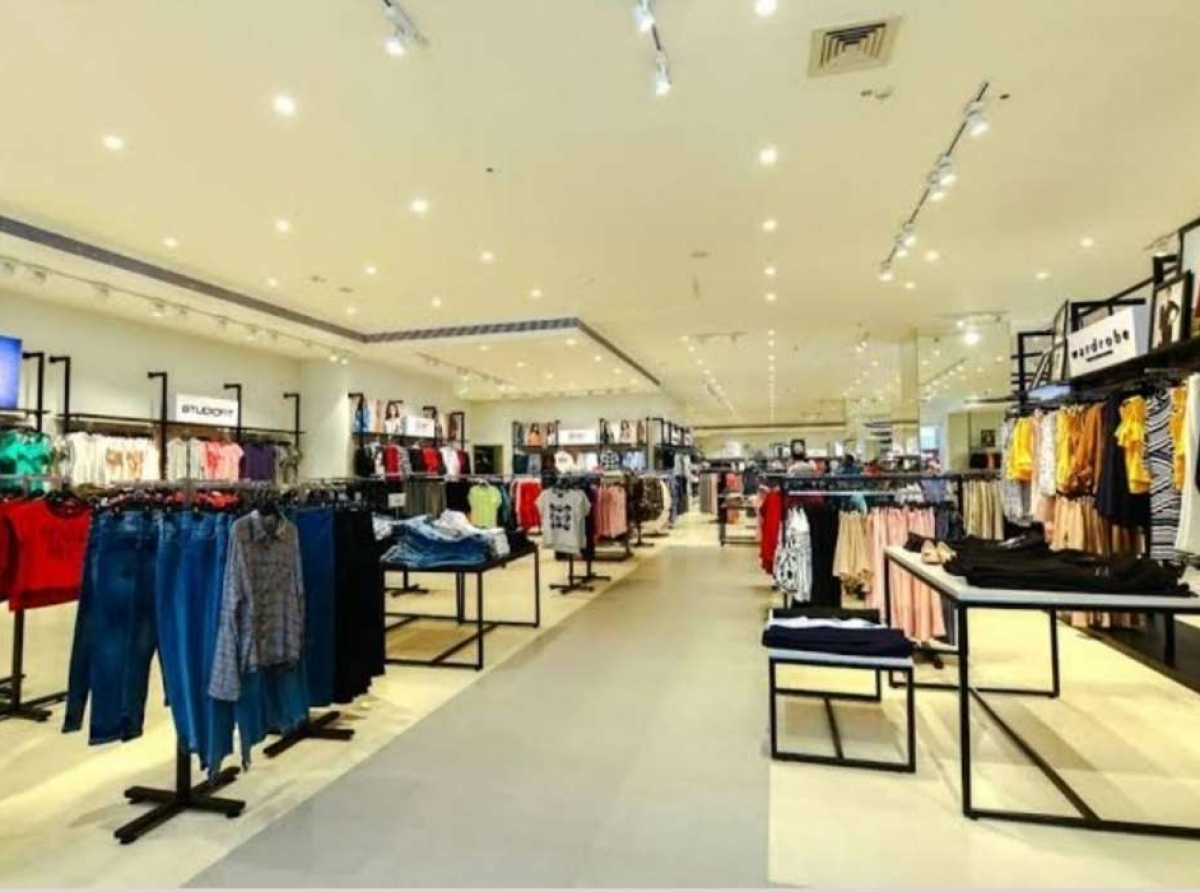
International retail conglomerates are reassessing fast-fashion footprints in India as rising operational overheads and margin erosion alter growth trajectories. Inditex Trent Retail India (ITRIPL), which operates Zara’s domestic business, reported a 31.9 per cent decline in net profit to Rs 204.14 crore for FY26, accompanied by a 1.1 per cent decline in revenue from operations to Rs 2,749.28 crore. Industry strategists note, while lower-priced competitors like Zudio expand rapidly in value segments, high-end fast-fashion labels must shift emphasis toward larger flagship experiences, streamlined inventory turnover, and curated premium collections to maintain store productivity across tier-one metro hubs.
Navigating supply chain dependencies and store efficiency
Maintaining gross margins remains a strategic challenge for international franchisers operating under centralized sourcing frameworks. Retail analysts observe that total dependence on global supply channels limits localized price flexibility amid shifting consumer discretionary spend. To protect profitability across its 22 flagship locations, Zara is prioritizing omnichannel digital fulfillment, localized logistics optimization, and high-margin seasonal drops. Executive leadership maintains that optimizing store sizes and integrating digital platform sales will prove essential to defending retail market share against agile global and domestic rivals.
Optimizing physical and digital footprint to boost earnings
Operated through a joint venture between Spain’s Inditex Group and Tata’s Trent Ltd, Zara India markets premium fast-fashion apparel and accessories across 22 flagship locations. Generating Rs 2,749 crore in FY26 revenue, the brand plans to optimize physical retail footprints and expand digital channels to boost earnings across major urban markets.










 Get in Touch!
