
Lacoste redefines ‘fashion-sport’ with new brand identity in India
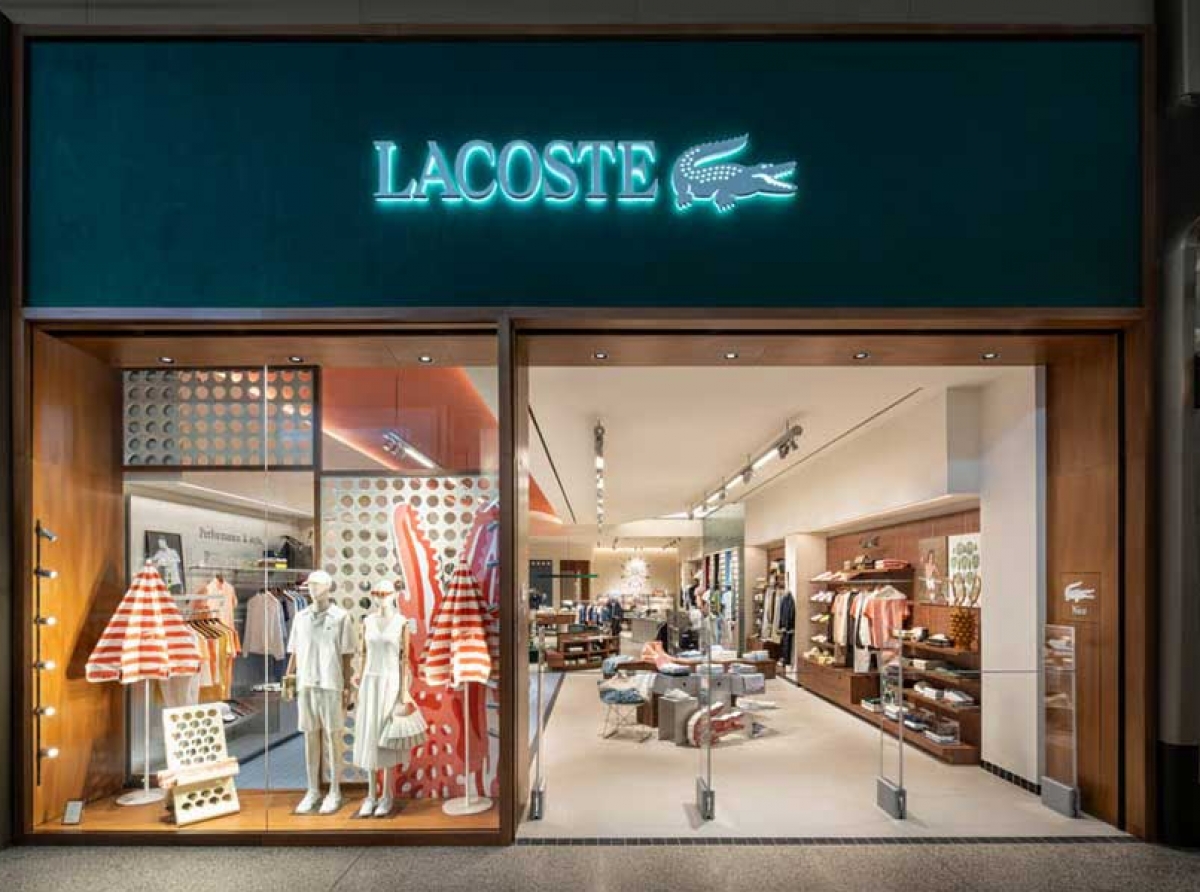
22 April 2026, Mumbai
Lacoste is transitioning from traditional sportswear to a sophisticated ‘fashion-sport’ positioning. The brand has introduced a renewed visual identity in the Indian market under the creative direction of Pelagia Kolotouros. This new identity structurally aligns its 93-year tennis heritage with contemporary ‘tech-heritage’ aesthetics. Central to this refresh is a more versatile expression of the iconic crocodile emblem - reimagined through archival embroideries and minimalist typography. This visual shift is designed to resonate with younger consumer cohorts, as the 18–35 age group now contributes approximately one-third of the brand’s total sales. By revisiting the ‘René Blazer’ and the original L1212 polo through a modern lens, Lacoste aims to capitalize on the rising demand for ‘quiet luxury’ infused with athletic performance.
Strategic expansion into Tier-II hubs and high-growth segments
The branding update coincides with an aggressive 2026-27 roadmap for the Indian market, where Lacoste is targeting sustained high double-digit growth. A key commercial pillar is the diversification beyond apparel; footwear and leather goods now account for 14 per cent of the business, following a robust 40–50 per cent rise in these categories over the past year. To support this momentum, the retailer is scaling its physical footprint toward 100 stores, with recent launches like the Guwahati Airport outlet marking a entry into the Northeast. Our strategy is guided by digital demand data, helping us bridge the gap between online discovery and physical retail excellence, notes Rajesh Jain, Managing Director and CEO, Lacoste India. Despite sectoral challenges such as the 18 per cent GST on premium apparel, the brand is maintaining profitability through a localized supply chain that remains 90 per cent indigenous.
Premium fashion-sport strategy
Established in 1933, Lacoste is a global French brand specializing in premium apparel, footwear, and leather goods. In India, it operates through a strategic alliance with Sports and Leisure Apparel (SLA), targeting urban and emerging Tier-II hubs. With a goal of 100 stores by 2030, the brand maintains strong omnichannel revenue, with digital channels contributing 27 per cent to its FY26 growth.








 Get in Touch!
