
The End of ‘Man Crèche’ India’s male shopper became retail’s premium growth engine
22 April 2026, Mumbai
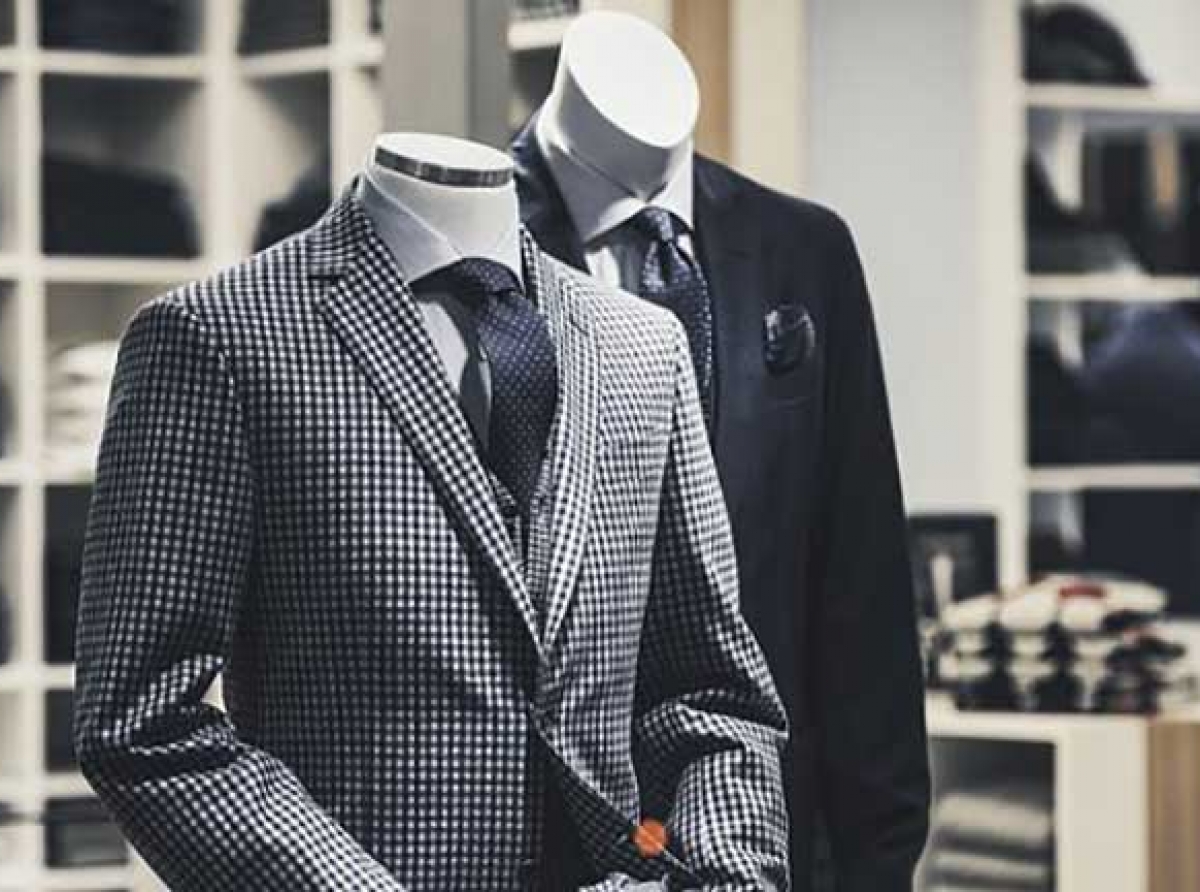
The tired trope of the ‘man crèche’ that mall-side holding zone of beanbags, bored husbands and token distractions is fast losing relevance in Indian retail. In its place is emerging a more commercially potent archetype: the deeply involved, category-obsessed male shopper who treats fashion discovery less as an errand and more as a ritual. What was once a passive accompaniment to women-led shopping journeys is now evolving into an active, high-dwell, high-intent retail behaviour. The change is not merely anecdotal. It reflects a shift in how menswear is being consumed, merchandised and monetised across India’s premium and mid-premium fashion landscape.
The recent ‘Linen Paglu’ campaign by The Arvind Store captures this inversion with sharp cultural intelligence. By humorously showing women waiting while men linger over weave, texture and tailoring nuance, the campaign mirrors a wider market truth: men are no longer rushing through stores. They are slowing retail down.
That matters because time spent in-store increasingly correlates with conversion depth, premium basket value and category expansion. The male shopper, particularly in apparel, is moving beyond utility-led replenishment toward emotionally charged discovery shopping. Once he enters a category that aligns with identity, linen, bespoke fits, performance fabrics, technical shirts or occasion wear the browsing journey becomes immersive.
This behavioural evolution is opening up a larger premium menswear opportunity. The Indian menswear market, estimated at nearly $22 billion in 2025, is no longer being shaped by basics and replacement buying alone. It is increasingly driven by consumers who seek narrative, craftsmanship and tactile validation before purchase. In effect, the physical store is becoming a theatre of reassurance.
The real commercial story here is premiumisation.
For brands, the ‘linen effect’ is symbolic of a broader industry shift from broad-based functional messaging to sharper category storytelling. Instead of selling shirts, retailers are selling fiber stories. Instead of racks, they are building zones. Instead of transactional counters, they are curating consultative retail environments.
This is where the new male shopper becomes important. His value lies not just in purchase frequency but in engagement intensity. The man who compares wrinkle recovery, asks about breathability, tests drape, or debates collar architecture is also the consumer most likely to trade up. Premium retail thrives on exactly this kind of friction-rich decision-making.
The Arvind Store’s psychographic framing of the Linen Paglu is therefore, less a campaign gimmick and more a category playbook. It isolates a powerful cohort: men who see apparel selection as an expression of connoisseurship. In this model, shopping becomes hobby, identity signal and leisure activity rolled into one. Yet the economics of this engagement-led retail model are demanding.
High-touch retail requires a different operational muscle than conventional menswear selling. Store associates must evolve from sales staff into category interpreters, capable of explaining fabric composition, finish innovation, wrinkle resistance and climate suitability with authority. In-store experience must justify the consumer’s time in an era where digital convenience remains just one click away.
Inventory must also grow accordingly. A shopper driven by discovery seeks breadth, not just availability. This is why deeper assortments such as The Arvind Store’s expansion of its linen portfolio to more than 300 styles, are becoming central to store productivity. Choice is no longer clutter; it is engagement capital.
Need for evolved physical stores
At the same time, retailers must contend with the rise of showrooming, where consumers use physical stores for evaluation before completing purchases online. This phenomenon is especially pronounced among premium male shoppers, who prefer tactile validation but remain price- and convenience-sensitive at checkout. The industry response has been to build what may be called selection suites, stores designed around exclusivity, consultation and customisation. Tailored fits, monogramming, made-to-measure services, fabric advisory and limited-edition drops create switching costs that pure e-commerce cannot easily replicate.
This logic aligns neatly with the broader performance path of Arvind Fashions, one of India’s strongest mid-to-premium apparel houses. In Q3 FY26, the company reported 14.5 per cent revenue growth to Rs 1,377 crore, powered by strong direct-channel execution and nearly 50 per cent growth in online B2C sales. The numbers reinforce a larger thesis: premium fashion growth today is increasingly a function of controlled customer journeys, where digital integration amplifies rather than replaces physical discovery.
Male shoppers come of age
For Indian retail, this marks an important cultural and commercial inflection point. The male shopper is no longer the forgotten variable in mall design. He is becoming one of the most monetisable consumer segments in fashion, especially where premium fabrics, occasion dressing and experiential retail intersect.
Table: Market dynamics, $22 billion high-stakes game
|
Segment |
2025 market share (est.) |
Growth driver |
|
Topwear (Shirts/T-shirts) |
58% |
Premiumization & Occasion-wear |
|
Bottomwear (Trousers/Denim) |
24% |
High-performance fabrics & Custom fits |
|
Accessories & Footwear |
12% |
Lifestyle signaling & Grooming |
|
Innerwear & Athleisure |
6% |
Wellness and technical innovation |
This growth is led by a creator-led ecosystem where discovery happens via social content, but the final obsessive selection occurs in-store. Notably, D2C (Direct-to-Consumer) brands accounted for 27 per cent of all retail leasing in major metros in 2025, as digitally native men seek physical proving grounds to touch and feel premium fabrics.
The ‘man crèche’ belonged to an era when men were expected to wait. The next phase belongs to the man who wants to stay compare, feel, customise, deliberate and eventually spend more. That shift may appear playful in advertising, but in business terms it signals something far larger: Indian menswear retail is entering its age of obsessive participation. And for brands that can turn that obsession into differentiated in-store theatre, the payoff could be measured not just in revenue growth, but in the reinvention of what physical fashion retail means in the D2C age.








 Get in Touch!
