
From Paris to Kala Ghoda, Galeries Lafayette is rewiring India’s luxury consumption
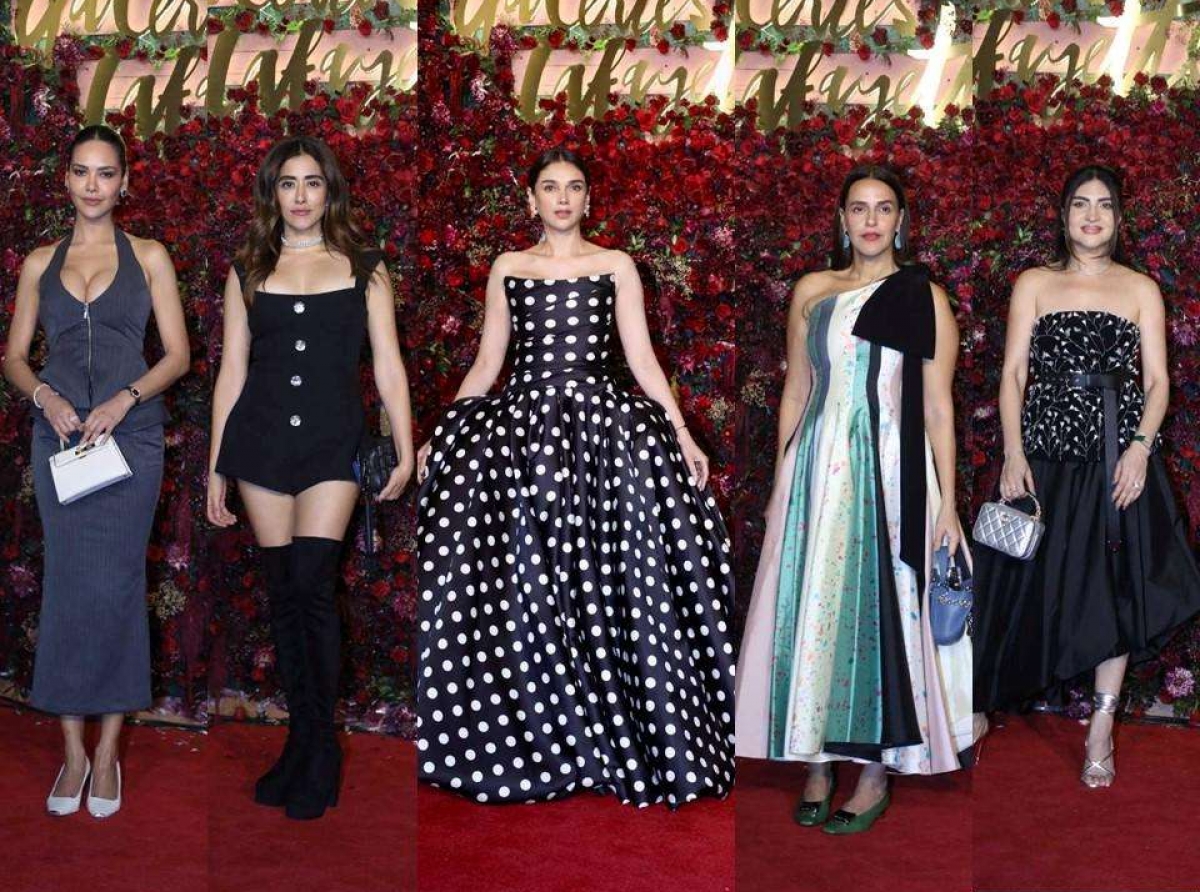
The global expansion of legacy department stores has been constrained by geography, format rigidity, and local retail fragmentation. Iconic names such as Macy’s and Nordstrom built formidable domestic dominance but struggled to replicate the same multi-brand, large-scale model beyond their home markets. That equation is now being redefined in India, where shifting consumption patterns, rising affluence, and experiential retail demand are opening space for a new kind of international playbook.
At the centre of this shift is the 90,000-sq. ft Galeries Lafayette flagship in Mumbai’s Kala Ghoda district, a heritage-rich cultural precinct that is fast emerging as a luxury retail nucleus. Developed in partnership with Aditya Birla Fashion and Retail Limited (ABFRL), the five-storey destination signals not just another store opening but a structural experiment in how global department stores adapt to India’s evolving luxury economy.
Unlike conventional retail formats that depend on rigid brand partitions and landlord-driven leasing models, the Mumbai flagship is built around fluid curation and immersive navigation. Housing over 250 international and domestic brands, the space is designed less as a transactional marketplace and more as a narrative-led environment where discovery, hospitality, and lifestyle integration converge.
Redefining the geography of luxury consumption
India’s luxury market sits at a inflection point. Despite being one of the world’s fastest-growing wealth corridors, with projections indicating the luxury goods market could exceed $14 billion by 2026, a significant portion of high-net-worth consumption continues to occur outside the country. Traditional shopping destinations such as Paris, Dubai, London, and Singapore still absorb a large share of premium discretionary spending by Indian consumers.
This offshore consumption pattern is driven not only by product availability gaps but also by perceptions of service quality, assortment depth, and experiential parity. The Kala Ghoda flagship directly targets this imbalance by repositioning luxury retail as a destination experience rather than a purchase endpoint.
Architecturally embedded within the restored Turner Morrison and Voltas House heritage buildings, the store blends historical character with contemporary retail design. Developed by Virgile + Partners, the space incorporates concierge-led services, private styling suites, VIP lounges, and hospitality elements such as Julien Café, reinforcing the idea that luxury retail in India must now compete on experience as much as inventory.
Rise of the bridge-to-luxury economy
While ultra-luxury brands continue to dominate visibility in global narratives, the real momentum in India’s retail expansion is increasingly concentrated in the bridge-to-luxury and premium segments. A rapidly expanding upper-middle class, rising disposable incomes, and younger dual-income households are reshaping consumption behaviour toward accessible aspiration rather than exclusive ownership.
This segment is growing at a compound annual growth rate of around 12 per cent, reflecting a steady rise in discretionary spending capacity among urban consumers. Within this shift, Galeries Lafayette Mumbai is strategically positioned as an entry gateway for global brands seeking structured exposure to Indian demand without immediately relying on standalone mono-brand stores.
The merchandising strategy reflects this calibrated positioning. Alongside established luxury houses, the flagship includes contemporary and lifestyle-driven labels such as AMI Paris, Represent, and Jacob Cohën, alongside entry-level premium beauty and fragrance categories. These segments are functioning as acquisition channels for aspirational consumers transitioning from mass-market to premium consumption.
Market forecasts further underscore the opportunity, with India’s premium retail category adding billions in incremental annual value, driven largely by beauty, accessories, and accessible luxury fashion. In this context, the department store is evolving into a demand incubator rather than a passive retail aggregator.
Solving India’s luxury retail constraints
Despite strong demand fundamentals, India’s luxury retail market continues to face constraints. High-street luxury real estate remains scarce and heavily concentrated in a few metropolitan pockets. At the same time, import duties, fragmented logistics ecosystems, and elevated operating costs create friction for global brands attempting to scale rapidly.
The Galeries Lafayette-ABFRL partnership is designed to deal with these constraints through a tiered retail pattern. The Mumbai flagship functions as a primary experiential anchor in a gateway city, while ABFRL’s broader retail ecosystem ensures distributed reach across India’s expanding consumption geography.
Within this, ABFRL’s existing multi-brand luxury chain, The Collective, plays a complementary rather than competing role. With nearly 30 boutique-style outlets across India, The Collective addresses regional premium demand, while Galeries Lafayette operates as a flagship experiential destination in top-tier metros. This segmentation reduces internal cannibalisation while expanding overall market coverage across distinct consumer tiers.
ABFRL’s positioning in India’s luxury evolution
Aditya Birla Fashion and Retail Ltd has steadily transformed itself from a mass-premium apparel player into a diversified fashion conglomerate with deep exposure to premium and luxury retail formats. Beyond legacy brands like Pantaloons, the company has built a luxury portfolio through international partnerships, designer collaborations, and multi-brand retail ecosystems.
Its collaboration with Galeries Lafayette reflects a broader corporate strategy focused on capturing India’s next consumption cycle one defined not by volume alone but by value density, experiential engagement, and global brand integration.
As India’s luxury market matures, the success of this model will depend on whether domestic consumption can be retained within the country’s borders. The Kala Ghoda flagship represents a direct attempt to reverse the long-standing “luxury leakage” phenomenon, positioning Mumbai not just as a retail hub, but as a credible alternative to global shopping capitals. In doing so, it marks a significant inflection point: the transition of India’s luxury retail from fragmented aspiration to structured destination commerce, where global department store logic is being rewritten for a new and distinctly Indian consumer reality.









 Get in Touch!
