
Organized retail hits a plateau in India as 40% outlets operate at a loss
17 February 2026, Mumbai
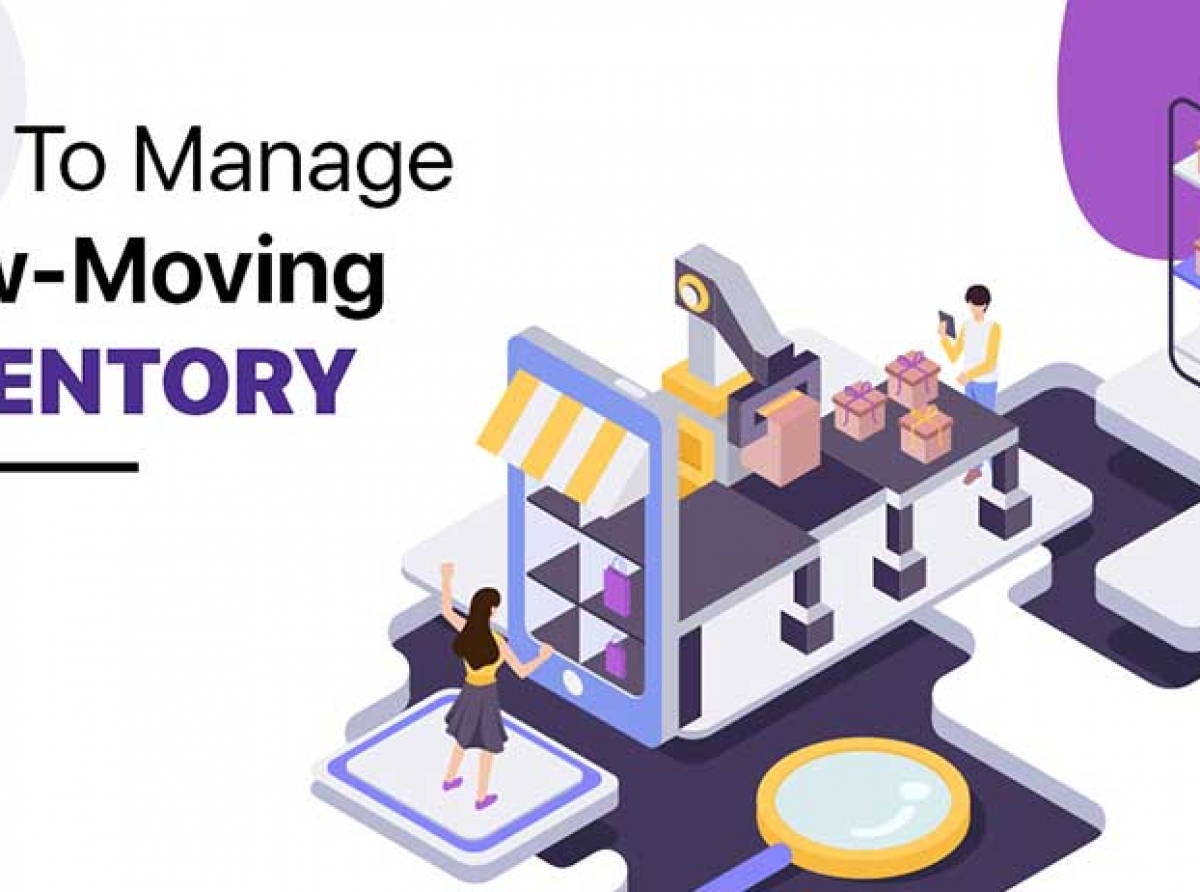
The aggressive post-pandemic expansion of India’s organized retail has hit a definitive plateau in early 2026, as slow-moving inventory begins to erode the profitability of major apparel chains. Recent industry data reveals a sobering reality: nearly 40 per cent of organized retail outlets are currently operating at a loss, primarily due to stagnant stock that congests floor space and shortens the full-price selling window. This inventory overhang is forcing a structural shift from ‘scale-at-all-costs’ to a ‘profit-per-sq-ft’ discipline, with retailers like Shoppers Stop already signaling potential store closures to free up capital trapped in underperforming locations.
Predictive analytics vs traditional batch ordering
The primary differentiator in the current Q3 FY26 earnings cycle has been the adoption of AI-native inventory management. Brands utilizing real-time demand forecasting - which integrates macroeconomic trends and weather patterns - have reported up to 40 per cent greater efficiency in stock turnover compared to traditional models. While industry leader Trent (Zudio) continues to thrive on high-velocity value fashion, others are grappling with flat same-store sales growth (SSSG). The technical bottleneck remains a reliance on ‘opportunistic bulk buying,’ which often results in 94 per cent of retailers introducing fresh collections without purging aged inventory, leading to a ‘margin bleed’ from heavy end-of-season markdowns.
Supply chain resilience and regulatory headwinds
The operational landscape is further complicated by escalating costs and new regulatory mandates. The implementation of the Digital Product Passport (DPP) and recent changes to the Indian Labor Codes have increased the compliance burden, forcing firms to professionalize their supply chains. To mitigate these pressures, retailers are pivoting toward ‘agentic’ commerce, where AI-driven shopping journeys match inventory directly with high-intent digital traffic. The 2026 strategy must prioritize systemic resilience over raw expansion, noted a retail analyst. As e-commerce penetration in apparel hits 25 per cent, the industry is increasingly leveraging D2C agility and nearshoring to reduce lead times, effectively turning inventory management into a core strategic weapon rather than a back-office logistics task.
This apparel segment focuses on high-volume fashion and lifestyle retail across urban and Tier-II hubs. Currently valued at Rs 9.3 lakh crore, the Indian apparel market aims for Rs 16 lakh crore by 2030. Growth plans emphasize omnichannel integration and ‘value-plus’ formats. Financially, the sector is transitioning toward execution-led growth, prioritizing 10-13 per cent margin stability over rapid footprint expansion.










 Get in Touch!
