
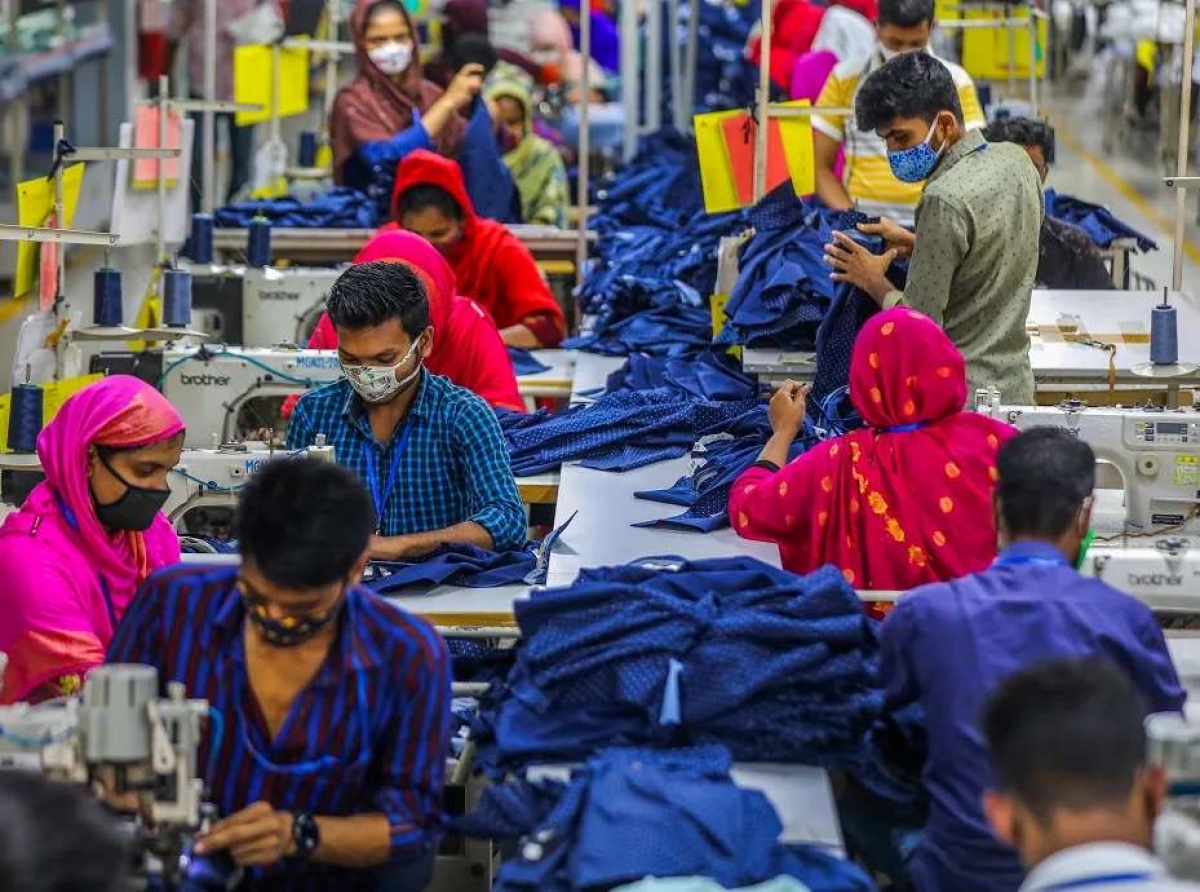
India’s domestic textile and apparel (T&A) sector reached US$ 277.01 billion, with women’s apparel emerging as the primary growth catalyst. The acceleration stems from rising formal employment among women, which expanded corporate and structured casualwear consumption across non-metro hubs. Apparel manufacturers are reallocating capital expenditure to scale specialized cutting and stitching units, moving away from reliance on seasonal ethnic cycles to capture year-round baseline demand.
Operational efficiency challenges regional supply chains
The structural shift toward daily workwear requires tighter lead times and agile inventory turnover, notes Rajesh Kumar, Senior Vice President - Textile Operations, Apex Retail. Supply chain friction remains an obstacle as volatile raw material costs impact operating margins. However, government incentives under PM MITRA parks and expanded D2C logistics networks provide cost mitigations, enabling regional brands to establish direct supply links with Tier-2 and Tier-3 urban centers.
Focusing on automated processing and digital supply chain integration
The domestic apparel industry encompasses integrated spinning mills, modern garment manufacturing units, and organized retail networks across urban and Tier-II corridors. Key categories include casualwear, western formalwear, activewear, and traditional textiles. Capital strategies focus on automated processing plants and digital supply chain integration. The sector demonstrates stable double-digit operational growth, built on a centuries-old textile manufacturing heritage.










 Get in Touch!
