
The great retail convergence, why D2C brands are racing back to stores
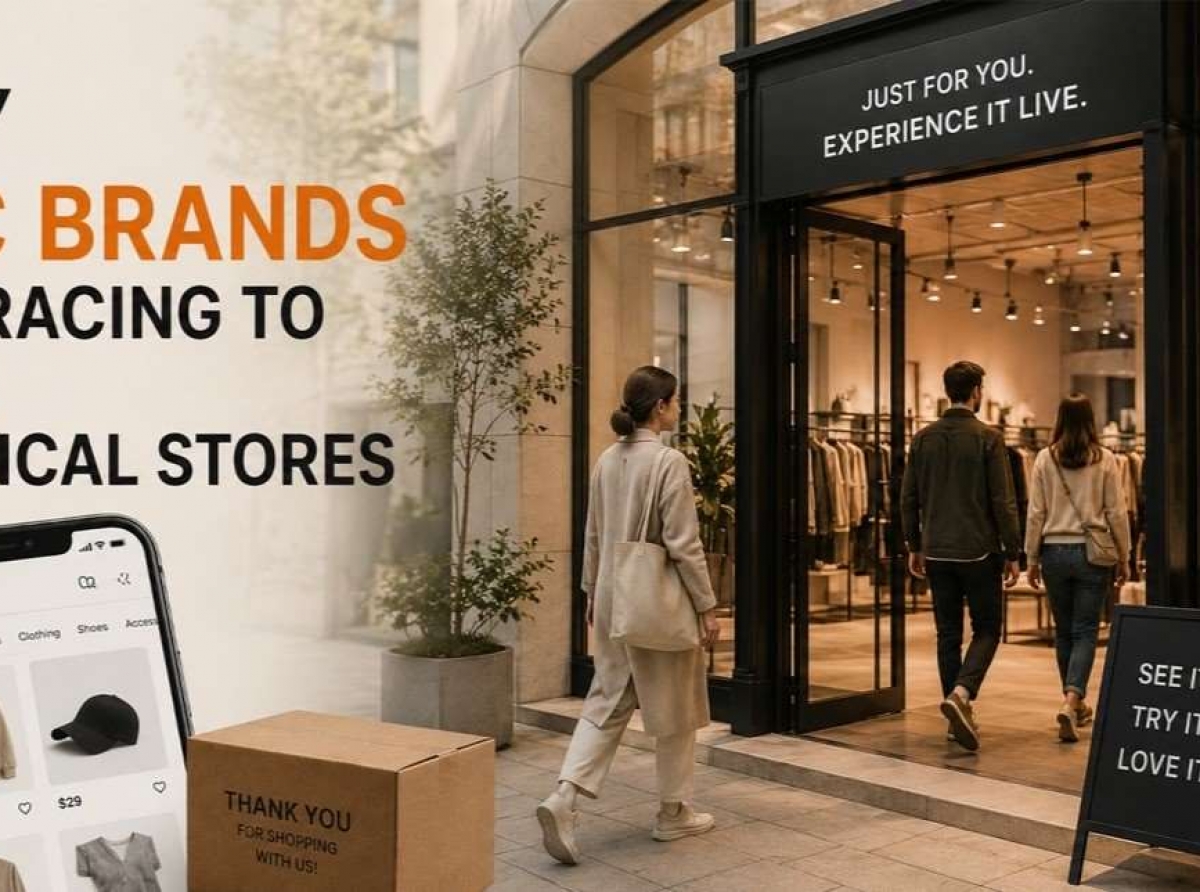
The long-standing divide between online and offline commerce is rapidly disappearing in Indian retail. What was once viewed as a battle between e-commerce platforms and brick-and-mortar stores has changed into a race toward integration. As digital commerce matures and customer acquisition costs rise, retailers are discovering that sustainable growth depends on combining technological efficiency with physical presence.
The shift is reshaping strategies across the sector. Traditional retailers are reinventing stores as experience-driven destinations, while digital-first brands that once relied exclusively on online channels are expanding aggressively into malls, high streets, and exclusive outlets. The result is a retail ecosystem where scale is no longer determined by channel dominance but by the ability to connect channels seamlessly.
Growth on multiple fronts
India has emerged as the world’s second-largest e-retail market, supported by nearly 300 million online shoppers and rising digital penetration across Tier-II and Tier-III cities. Increasing disposable incomes and the anticipated rise in per-capita GDP over the coming decade continue to strengthen the sector’s long-term growth outlook.
Table: The new retail calculus
|
Sector |
Value in 2024-25 |
Projection 2030 |
Projected CAGR |
|
Overall Indian E-Commerce GMV |
$125 bn |
$345 bn |
18.4% |
|
Quick Commerce (Q-Commerce) |
$7.6 bn |
$65-70 bn |
70-80% (Near-term) |
|
Online Fashion & Apparel Market |
$17.8 bn |
$56.2 bn |
21.10% |
|
Total D2C Market Valuation |
$100 bn |
$60 bn (E-retail specific) |
40% |
The most striking development is the rise of quick commerce. Originally built around grocery delivery, the segment is rapidly expanding into categories such as beauty, electronics, and fashion accessories. Industry estimates suggest that quick commerce could contribute nearly half of all incremental e-retail gross merchandise value over the next five years, fundamentally altering consumer expectations around convenience and speed.
Physical stores find a new purpose
The growth of digital commerce has undoubtedly altered retail economics, forcing businesses to rethink pricing strategies, inventory management, and fulfillment models. Yet predictions of widespread store obsolescence have failed to materialize. Instead, retailers are redefining the role of physical locations. Stores are increasingly serving as experiential hubs where customers can interact with products, receive personalized service, and access immediate fulfillment. At the same time, many outlets are being integrated into supply chains as micro-fulfillment centers that support online orders and hyperlocal deliveries.
This reflects a broader industry realization: consumers may appreciate digital convenience, but they continue to value tactile experiences and human engagement. Retailers are therefore investing in unified commerce models that connect inventory, customer data, and fulfillment systems across channels. As Samir Ratanjankar, Senior Vice President at JioMart points out, omnichannel retail has become a geographic necessity rather than merely a technological choice.
Why D2C brands are moving offline
The strongest evidence of retail convergence is emerging from India’s Direct-to-Consumer sector. For years, D2C brands achieved rapid growth through social media marketing, marketplace partnerships, and performance advertising. However, the economics that helped this growth is becoming challenging. Customer acquisition costs have gone up sharply as competition intensifies on digital advertising platforms. At the same time, consumers are returning to stores for categories where product evaluation remains important. Beauty, personal care, and apparel continue to benefit significantly from physical interaction before purchase.
Consequently, many digital-native brands are embracing a click-to-brick strategy. According to industry leasing data, D2C brands accounted for nearly 18 per cent of total retail leasing activity in the first half of 2025, doubling their share from the previous year. This reflects a growing recognition that physical stores can improve customer trust, increase brand visibility, and reduce dependence on costly digital marketing.
Fashion, the new battleground
No segment illustrates this transformation more clearly than fashion and apparel. The category represents the largest share of retail space leased by expanding D2C companies, driven by the need to address one of e-commerce’s biggest challenges: returns. Online apparel purchases often face return rates of 30 to 40 per cent due to sizing inconsistencies and differences in fabric perception. Physical stores help reduce these issues by allowing customers to evaluate fit, texture, and quality before purchasing.
At the same time, fashion remains one of the fastest-growing online categories. Gen Z consumers, who account for a substantial portion of digital shoppers, are driving demand for trend-led products and rapid inventory refresh cycles. Industry estimates suggest this segment could grow to $8-10 billion by 2028. As a result, apparel brands are pursuing a dual strategy. Digital channels are used to capture emerging trends and engage younger consumers, while exclusive brand outlets strengthen loyalty, improve margins, and create deeper customer relationships.
Lessons from omnichannel leaders
The experience of brands such as Sugar Cosmetics shows how omnichannel expansion can unlock sustainable growth. Beginning as a digital-first beauty company, Sugar progressively built a large offline presence through exclusive stores, modern trade partnerships, and extensive distribution networks. Today, a majority of its revenue originates from offline channels, with significant contributions from markets beyond major metropolitan centers.
Similarly, men’s fast-fashion brand Snitch leveraged social media and agile manufacturing to establish an online following before embarking on a rapid store expansion strategy. Its physical locations now serve multiple purposes, acting as customer acquisition engines, brand showcases, and fulfillment nodes that complement its digital operations. Both examples highlight a broader industry trend: physical retail is no longer viewed as a legacy channel but as a strategic asset that enhances digital performance.
The next chapter of retail growth
India’s retail transformation is no longer defined by the question of whether online or offline commerce will prevail. The future belongs to businesses capable of combining the strengths of both. Digital platforms excel at discovery, convenience, and scale; physical stores foster trust, experience, and long-term loyalty.
As quick commerce grows, consumer expectations evolve, and competition intensifies, retailers that remain dependent on a single channel risk reaching a growth ceiling. The next generation of winners will be those that treat online, offline, and instant commerce not as separate businesses but as interconnected components of a unified retail ecosystem.










 Get in Touch!
