
Beyond celeb endorsements, platform partnerships reshaping Indian activewear
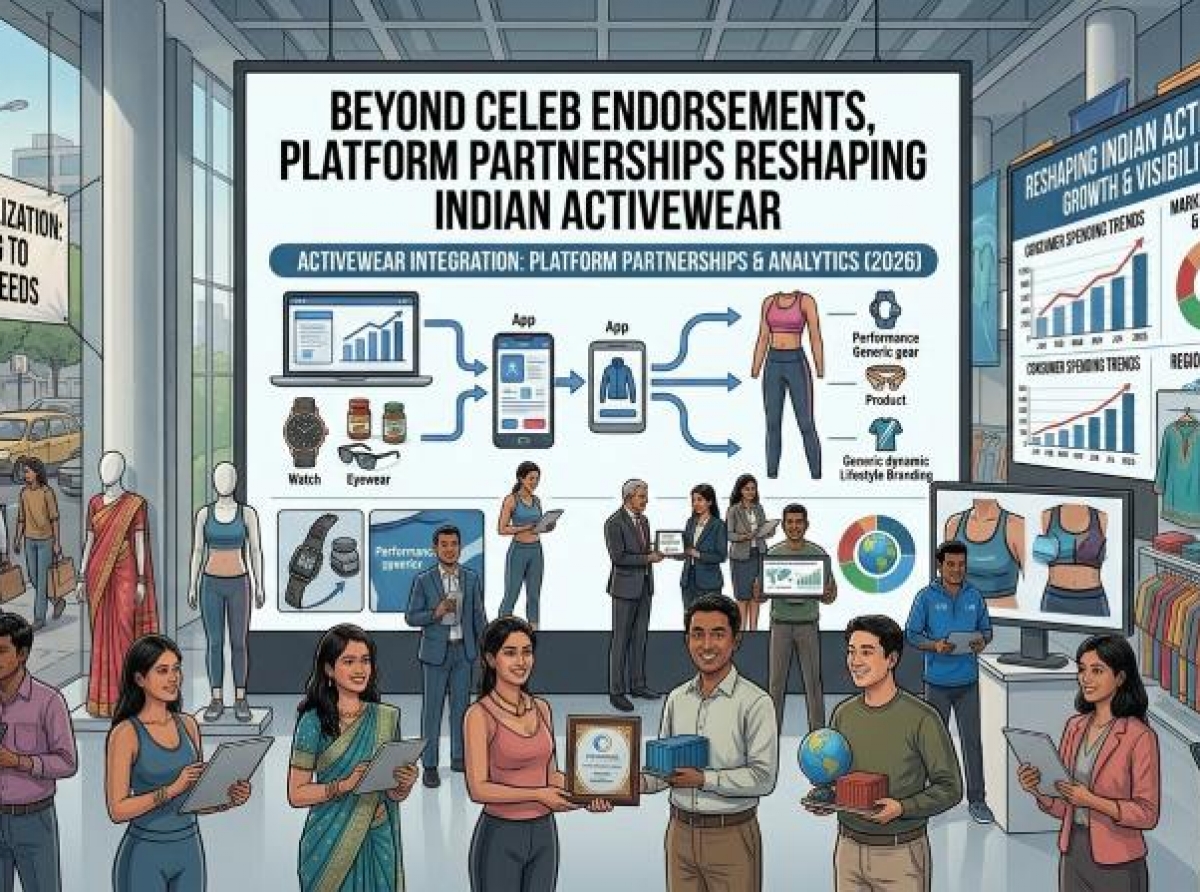
India’s celebrity-led consumer brands are moving beyond endorsement-driven visibility to platform-backed business models built around equity partnerships, integrated supply chains and data-led retail. The shift marks a departure from conventional licensing arrangements, where celebrity appeal generated initial consumer interest but operational weaknesses often limited long-term growth.
HRX, co-founded by actor Hrithik Roshan and Exceed Entertainment, are an example of this transition. Having crossed the Rs 1,500-crore revenue milestone, the activewear brand shows how celebrity equity, institutional retail expertise and digital distribution can combine to build a scaled consumer business.
The defining move came in August 2016, when Myntra, owned by Flipkart, acquired a 51 per cent controlling stake in HRX. The transaction transformed the brand from a celebrity-backed licensing venture into an integrated retail business. Instead of investing independently in distribution, warehousing and technology, HRX gained access to Myntra’s established digital network, consumer analytics, vendor network and fulfilment infrastructure. The partnership allowed Roshan and Exceed Entertainment to concentrate on brand positioning, product identity and consumer engagement while Myntra managed much of the retail and operational complexity.
Growing activewear market
HRX’s growth coincides with the growth of India's sportswear and athleisure market. The segment is growing at approximately 14.5-15 per cent annually, supported by rising fitness participation, changing workplace dressing habits and increasing demand for versatile everyday clothing.
The opportunity extends beyond affluent urban consumers. Tier-II, III markets are emerging as important growth centres, where international sportswear brands remain aspirational but often command substantially higher prices. Homegrown brands have exploited this gap through accessible performance apparel, engineered knits, polyester-based activewear and running footwear. Products priced between Rs 800 and Rs 2,500 offer consumers a lower entry point into branded sportswear without requiring the premium expenditure associated with international labels. The competitive distinction between the two business models is evident.
Table: Comparison of homegrown and global sportswear business models
|
Dimension |
Homegrown model |
Global sportswear model |
|
Median Apparel Price Band |
Rs 800-2,500 (Accessible Mass-Premium) |
Rs 3,000-9,000+ (Premium Performance) |
|
Primary Sales Channel |
Digital Marketplace & Ecosystem (80-85%) |
Exclusive Brand Outlets (EBOs) & Multi-Brand Doors |
|
Supply Chain Engine |
Centralized E-commerce Logistics (Myntra/Flipkart) |
Global Sourcing & Tier-1 Contract Manufacturers |
|
Product Lifecycle Focus |
Fast-fashion turnaround on gym basics & athleisure |
Proprietary footwear R&D & long-lead athletic lines |
|
Customer Acquisition Edge |
Native app placements & founder social reach |
Global sports sponsorships & elite athlete rosters |
The comparison highlights how digital distribution and accessible pricing have become important competitive advantages for domestic brands.
Platform integration drives scale
The HRX model addresses one of the biggest weaknesses of celebrity-backed consumer ventures: the gap between brand visibility and operational execution. Celebrity association can generate awareness, but sustaining demand requires inventory discipline, consistent product quality, reliable fulfilment and effective working-capital management.
Myntra’s involvement gives HRX access to established vendor relationships, consumer preference data, automated replenishment systems and returns management. Its digital infrastructure also enabled faster responses to demand patterns and more targeted merchandising.
Aggregated consumer data can improve size selection, reduce fit-related returns and help brands adapt product specifications to Indian consumers rather than relying exclusively on international sizing templates. The arrangement effectively separated brand creation from retail execution. Roshan's association gave cultural relevance and marketing visibility, while Myntra supplied the institutional capabilities required to manage a high-volume consumer business.
Myntra reportedly accounts over 80 per cent of HRX's revenue, underlining the importance of the platform relationship. The brand has also extended its consumer engagement through fitness partnerships, including Cult.fit, connecting apparel with workout routines and fitness-oriented experiences.
Growing focus on platform equity
HRX is not an isolated example. Katrina Kaif's partnership with Nykaa to establish Kay Beauty follows a comparable approach. By combining celebrity ownership and brand-building with an established beauty retailer's distribution, inventory management and omnichannel capabilities, Kay Beauty has expanded beyond its initial domestic positioning and entered international markets, including the UK.
Both businesses reveal the commercial advantages of pairing founder-led brand identity with institutional retail expertise. This differs from traditional celebrity licensing, where a name is attached to products manufactured and distributed through fragmented third-party arrangements. Such models can struggle with inconsistent quality, inventory mismatches, stock-outs and excessive end-of-season discounting. The emerging model places greater emphasis on equity participation, operational integration and long-term brand development rather than short-term promotional value.
Beyond apparel
With its core activewear proposition established, HRX has expanded into adjacent lifestyle categories, including smart wearables, home fitness equipment, travel accessories and personal care fragrances.
The diversification strategy seeks to increase consumer engagement beyond apparel purchases and create additional revenue streams through licensing and category partnerships. The brand is also extending its physical retail presence through standalone outlets and shop-in-shop formats. The move reflects the need for an omnichannel strategy as digital customer-acquisition costs rise and consumers continue to value physical interaction, particularly when purchasing footwear and performance apparel.
Physical stores can also strengthen regional visibility, improve product discovery and reduce dependence on marketplace-led transactions.
Competition tests the model
However, platform integration alone cannot guarantee sustained growth. HRX faces competition from global brands such as Puma, Asics and Decathlon, alongside domestic retail groups including Reliance Retail and Aditya Birla Fashion, which are expanding their own athleisure portfolios. As the category becomes crowded, price competitiveness will need to be supported by product differentiation, fabric innovation, durability and consistent performance.
For HRX, the next phase of growth will depend on maintaining quality standards while expanding its product portfolio and distribution footprint. Moisture management, fit, fabric performance and footwear engineering will become increasingly important as consumers become more discerning.
The larger lesson from HRX is that celebrity appeal can open the door to consumer markets, but institutional partnerships help build the business behind the brand. In India's increasingly competitive activewear market, sustainable scale will depend less on the star attached to a label and more on the strength of its products, supply chain and retail ecosystem.







 Get in Touch!

