
Strategic sourcing and localized assortments power Uniqlo’s profitability growth in India
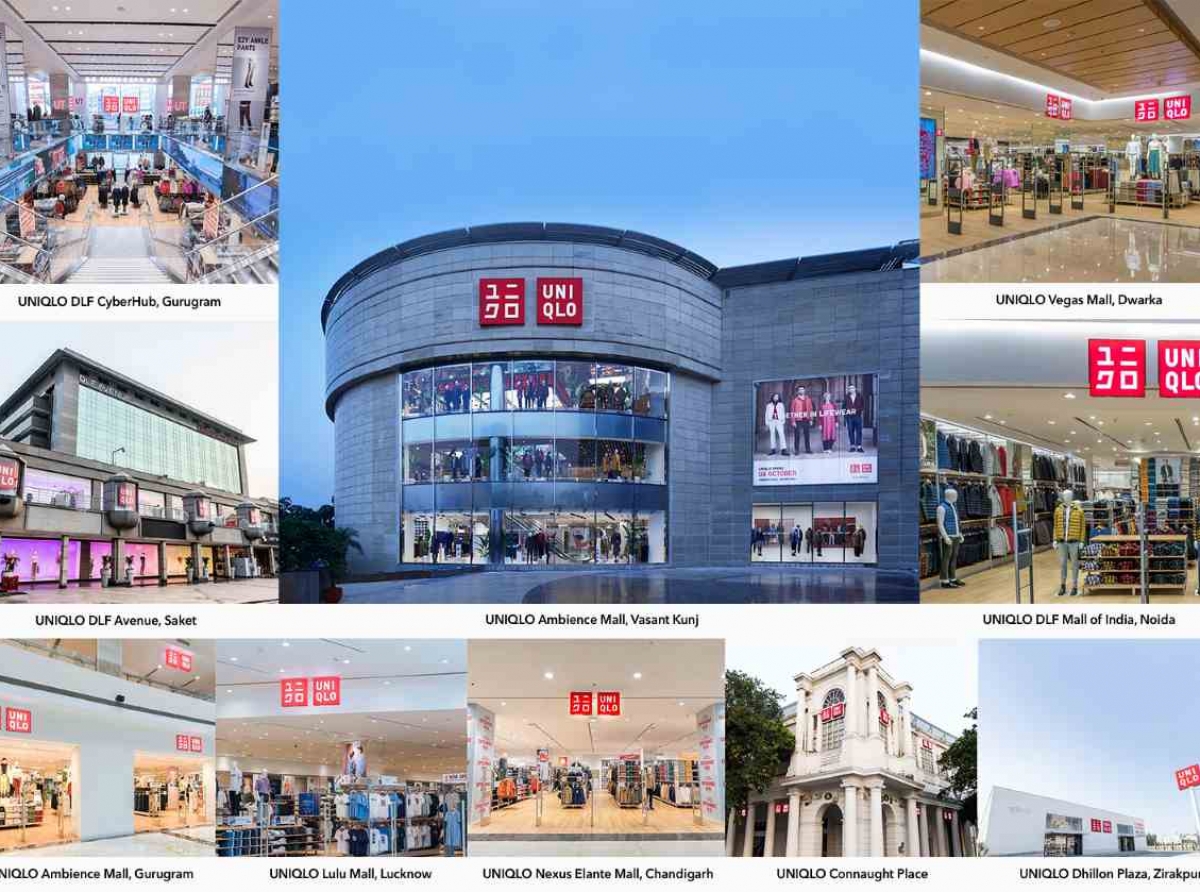
Uniqlo India recorded a 41 per cent Y-o-Y increase in net profit to Rs 253 crore for FY26, reflecting high inventory turnover and strong store productivity across its brick-and-mortar footprint. The brand’s operational revenue increased by 44 per cent to surpass the Rs 1,000 crore benchmark, propelled by strong consumer demand for functional essential wear such as AIRism and Dry-EX moisture-wicking collections. Rather than relying on heavy discount cycles, the Japanese fast-fashion brand achieved expanded operating margins by maintaining stable full-price sell-through rates across both metro flagship locations and expanding suburban shopping hubs.
Domestic supply chain scaling and multi-city store network
To support long-term expansion goals, Uniqlo is scaling its domestic manufacturing footprint, with plans to double its local sourcing ratio from 15 per cent to 30 per cent. Sourcing natural fiber fabrics like cotton and linen directly from Indian mills enables the brand to optimize landed costs, shorten production lead times, and insulate operating margins against global freight volatility. Having established 18 large-format stores, parent company Fast Retailing is accelerating physical store openings toward a target of over 100 locations by 2031, focusing on Tier-I and Tier-II urban clusters.
Retail footprint scaling
Scaling localized production hubs alongside disciplined store rollout gives global fashion retailers a resilient cost structure while driving sustained full-price volume growth, noted a New Delhi-based retail equity strategist.
Uniqlo India is the domestic subsidiary of Japan's Fast Retailing, selling functional LifeWear apparel. Operating across major Indian metropolitan hubs, the company plans to scale to 100 stores by 2031 while doubling domestic sourcing. It generated over Rs 1,000 crore in FY26 revenues following its market entry in 2019.










 Get in Touch!

